Free shipping for orders over R 750.00
Receive samples with every order.
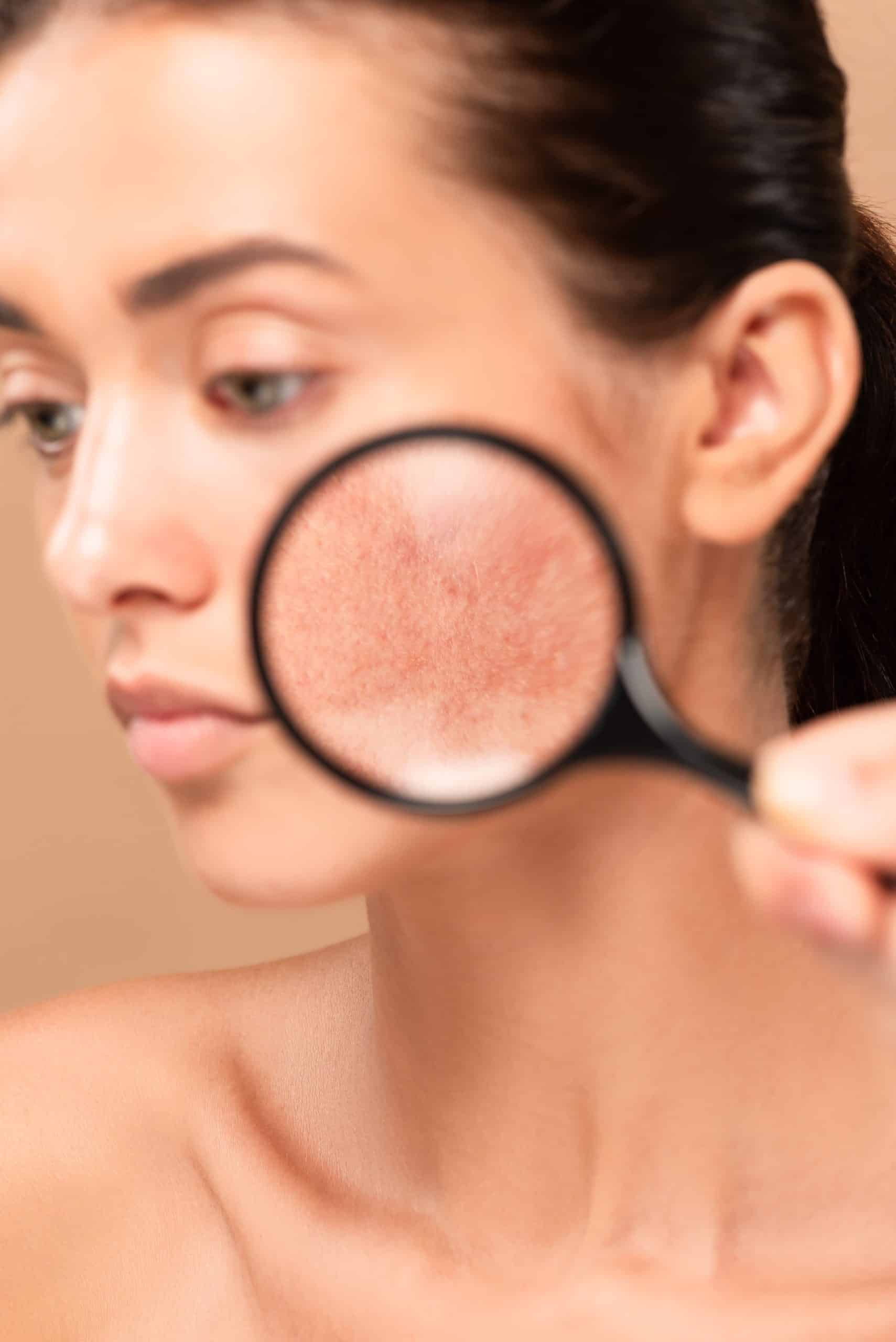
Choosing skincare for rosacea can be challenging when your face flushes, stings or reacts to products. Rosacea is a chronic inflammatory skin condition with different presentations, including persistent redness, visible vessels and acne-like bumps. A gentle routine can improve comfort, although many people also need medical treatment.
Use a mild, fragrance-free cleanser and lukewarm water. Avoid abrasive scrubs, rough cleansing brushes and aggressive exfoliation. Pat the skin dry rather than rubbing. Cleansing should leave the face comfortable, not tight or burning.
Choose a moisturiser that your skin tolerates, ideally without added fragrance. Glycerin, ceramides and other barrier-supporting ingredients may help relieve dryness. Rich moisturisers are not automatically unsuitable; texture and individual tolerance matter more than a rule to avoid all heavier creams.
Sunlight is a common rosacea trigger. Apply broad-spectrum SPF 30 or higher when outdoors, and pair it with a hat or shade. Some individuals prefer mineral sunscreen formulations, but neither mineral nor organic filters are universally irritation-free. Test a new formula carefully and reapply during prolonged outdoor exposure.
Common triggers can include heat, alcohol, spicy foods, emotional stress and some skincare products, but they vary substantially. A short symptom diary can help you recognise your own triggers without unnecessarily restricting activities or foods.
Rosacea-prone skin often reacts to strong acids, menthol, fragrance and essential oils. Soothing products may improve comfort but do not treat the underlying disease. Do not routinely apply exfoliating peels to inflamed skin without medical advice. Remove makeup gently and avoid prolonged rubbing.
Persistent redness, papules, pustules, eye irritation or skin thickening require evaluation. Treatments such as azelaic acid, ivermectin, metronidazole or other prescription medicines may be used for selected cases. Symptoms involving painful or red eyes warrant prompt assessment.
Read our rosacea guidance where available, or consult a dermatologist to create an individual treatment plan.
Like & Share


