Free shipping for orders over R 750.00
Receive samples with every order.
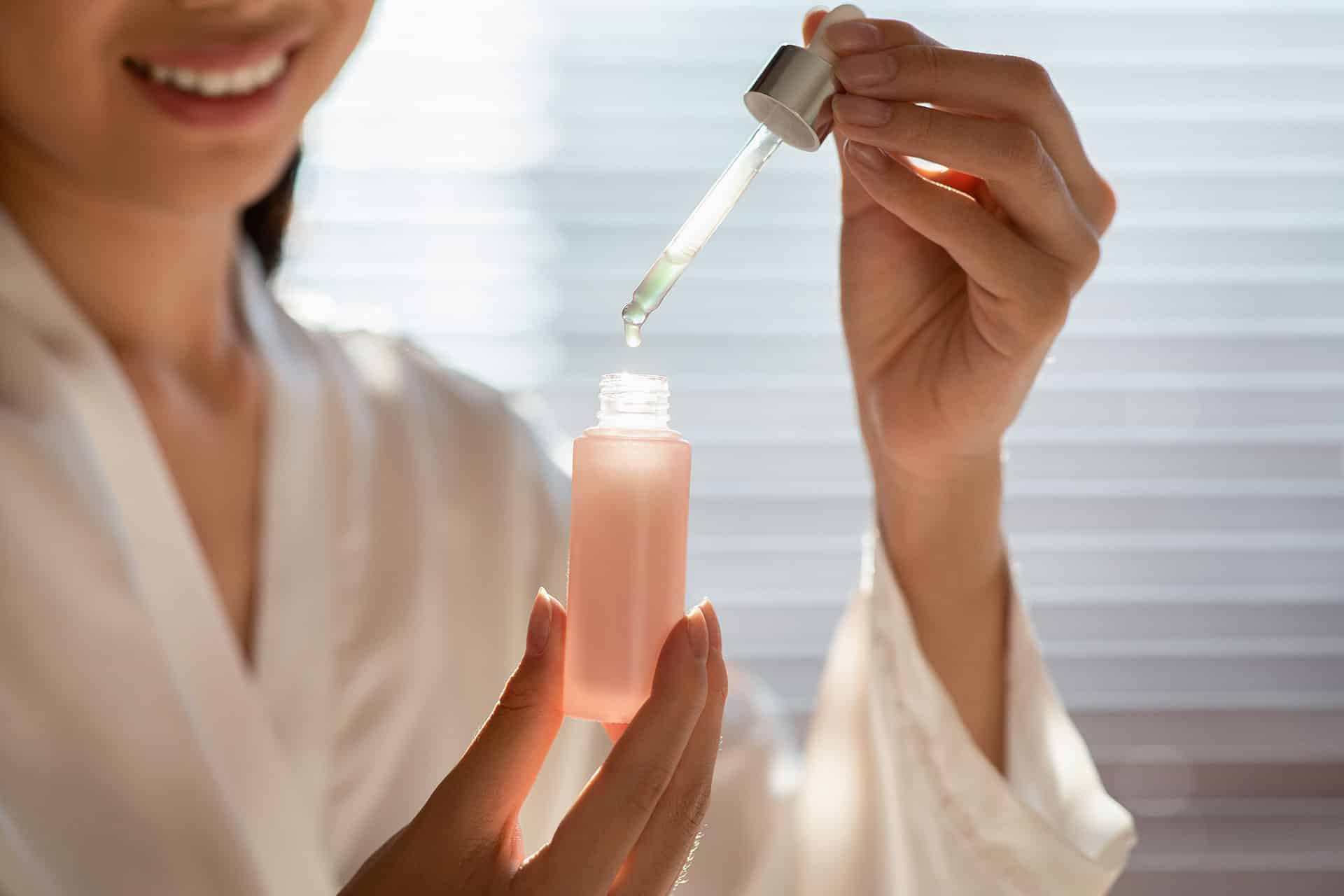
Niacinamide skincare benefits are supported by research into this form of vitamin B3 and its effects on skin barrier function, pigmentation and signs of photoageing. It is generally well tolerated, although individual responses depend on formulation and concentration.
Niacinamide can support epidermal barrier function and may improve measures of transepidermal water loss. For dry, reactive skin, it is often most useful as part of a simple regimen that includes an appropriately formulated moisturiser.
Some clinical studies suggest niacinamide can help reduce the appearance of uneven pigmentation, partly by affecting the transfer of melanosomes. Effects are usually modest and gradual. It does not replace sunscreen or a targeted prescription treatment for melasma.
Niacinamide may help with skin oiliness, redness and certain signs of ageing in selected formulations, but it is not equivalent to a prescription acne treatment or retinoid. Avoid exaggerated claims that one serum can treat every skin concern.
Apply as directed in a serum or moisturiser, morning or evening. Niacinamide can generally be combined with vitamin C, retinoids or hyaluronic acid when tolerated; there is no universal contraindication to these pairings. A higher percentage is not automatically better and may increase irritation. Introduce one new product at a time and allow several weeks to assess effects.
For a balanced routine, see our ingredient comparison guide and consult a dermatologist if pigmentation, acne or sensitivity persists.
Individual results depend on formulation, concentration and skin condition.
Like & Share


