




Why Your Skin Feels Dry, Tight and Dull This Winter: 7 Skincare Mistakes South Africans Make Every Year
By Precious Chida
Winter has a way of humbling even the best skincare routine.
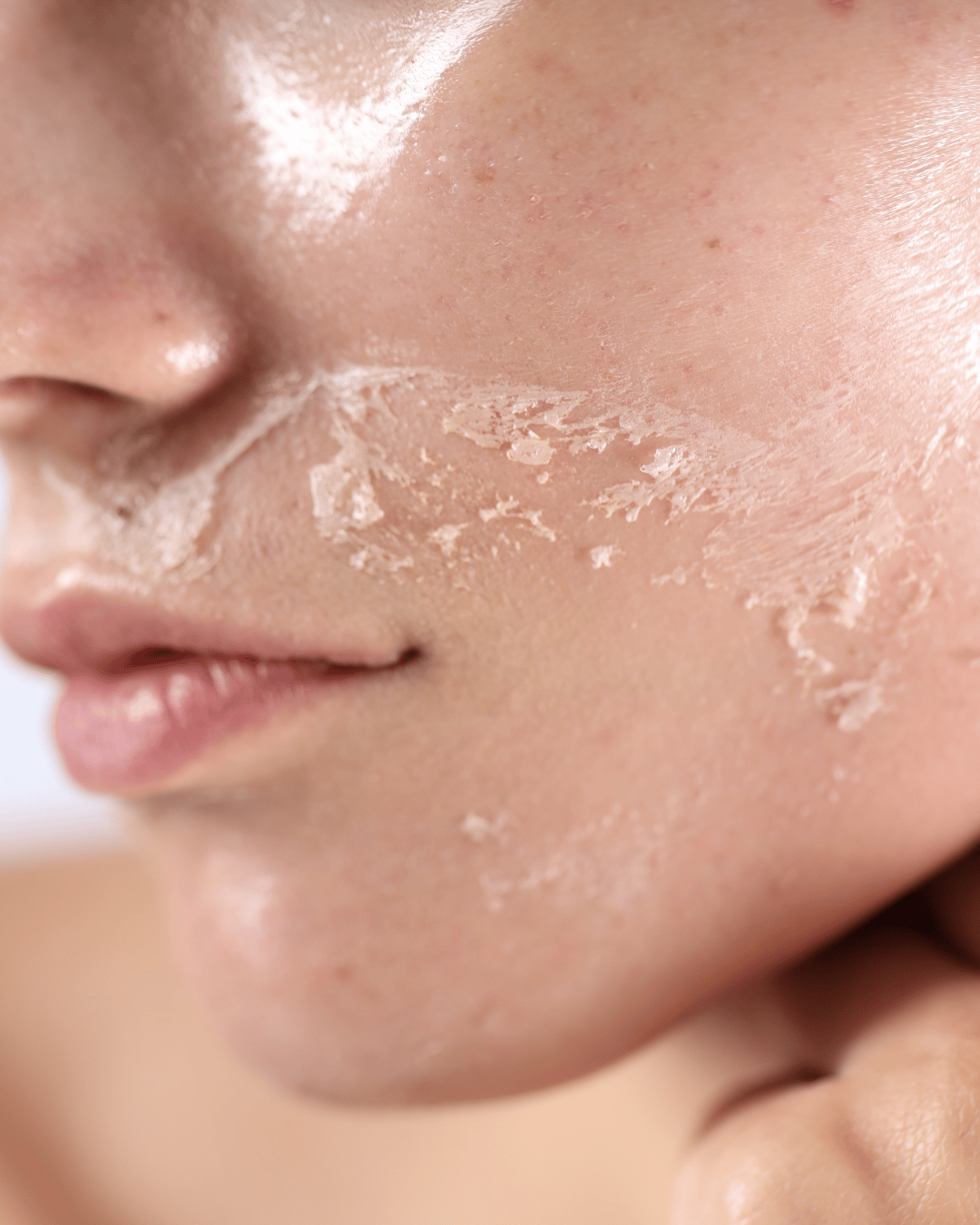
One day your skin is behaving perfectly, and the next you’re wondering why your face feels tight, your lips are peeling, your hands resemble sandpaper, and your legs look like they’ve been dusted with flour.
Sound familiar?
Every winter, dermatologists see an influx of patients complaining about dry, itchy and uncomfortable skin. Many assume they suddenly need stronger products or a completely new routine. In reality, the problem is often much simpler.
Winter doesn’t necessarily create skin problems, it exposes them.
As temperatures drop and the air becomes drier, your skin barrier has to work much harder to hold onto moisture. Add hot showers, heaters, windy days and a few common skincare mistakes, and it’s no surprise that skin starts looking dull, rough and dehydrated.
The good news? Most winter skin woes can be prevented.
Let’s look at seven common winter skincare mistakes dermatologists see every year in South Africa—and how you can avoid them.
Is Your Skin Barrier Sending Out an SOS?
Before we dive in, here are some tell-tale signs that your skin barrier may be struggling this winter:
- Skin feels tight after cleansing
- Your complexion looks dull or tired
- Lips are constantly dry or cracked
- Hands feel rough no matter how often you moisturise
- Lower legs look ashy or flaky
- Elbows and knees feel unusually dry
- Skincare products suddenly sting when applied
- Eczema patches become more noticeable
- Feet seem permanently rough despite your best efforts
If you’re nodding along, keep reading.
1. You’re Treating Winter Skin Like It’s Still Summer
This is probably the biggest mistake of all.
That lightweight gel moisturiser that worked beautifully in January may not be enough in July.
Winter skin needs extra support. When the air becomes drier, moisture escapes from the skin more easily, which means your usual moisturiser might no longer be pulling its weight.
Some clues that it’s time for an upgrade:
- Your skin feels tight a few hours after moisturising
- Makeup starts looking patchy
- Lotion seems to disappear instantly
- Your legs stay dry despite applying body cream
What Dermatologists Recommend
Look for moisturisers containing:
- Ceramides
- Glycerin
- Hyaluronic acid
- Squalane
- Urea
- Panthenol
- Petrolatum
Think of these ingredients as reinforcements for your skin barrier. They help lock in moisture and keep skin comfortable for longer.
2. Your Showers Are Basically a Spa for Dry Skin
There’s something magical about standing under a steaming hot shower on a freezing morning.
Unfortunately, your skin doesn’t find it nearly as enjoyable.
Hot water strips away the natural oils that help protect your skin. The result? More moisture loss, more dryness and more irritation.
If you notice that your skin feels itchy, tight or uncomfortable shortly after showering, your shower temperature may be partly to blame.
What Dermatologists Recommend
- Keep showers lukewarm
- Aim for 5–10 minutes
- Moisturise immediately afterwards while skin is still slightly damp
This simple change often makes a surprisingly big difference.
3. You’re Scrubbing the Problem Instead of Solving It
Many people see flaky skin and immediately reach for a scrub.
It seems logical.
Flakes appear. Scrub them away.
The problem is that winter flaking is often a sign that your skin barrier is already struggling. Scrubbing can make things worse by causing further irritation.
Common culprits include:
- Harsh cleansers
- Face scrubs
- Cleansing brushes
- Exfoliating gloves
- Rough washcloths
- Aggressive towel drying
What Dermatologists Recommend
Swap harsh products for gentle cleansers and resist the temptation to scrub your skin into submission.
Your skin needs support, not punishment.
4. You’re Giving Your Face All the Attention
When people think about skincare, they usually think about their face.
Meanwhile, their lips, hands, legs and feet are quietly suffering.
In fact, these areas are often the first to show signs of winter dryness.
You might notice:
- Cracked lips
- Rough knuckles
- Itchy shins
- Flaky heels
- Dry elbows
- Ashy knees
What Dermatologists Recommend
Don’t stop at your jawline.
Winter skincare should include:
- A nourishing lip balm
- Hand cream throughout the day
- A rich body moisturiser
- Extra attention to feet, elbows and knees
Sometimes this one change can completely transform how comfortable your skin feels.
5. You’re Overloading Your Skin With Active Ingredients
Winter is often when skincare enthusiasts accidentally go overboard.
Vitamin C in the morning.
Retinoids every night.
Acids several times a week.
Then another serum because social media said so.
Before long, the skin barrier waves a white flag.
Signs you’ve gone too far include:
- Burning
- Stinging
- Redness
- Increased sensitivity
- Persistent dryness
What Dermatologists Recommend
Winter is a great time to simplify.
If your skin feels irritated, consider reducing the frequency of:
- Glycolic acid
- Salicylic acid
- Retinoids
- Exfoliating treatments
Healthy skin responds better to treatment than stressed skin.
6. You’ve Put Your Sunscreen Into Hibernation
One of the biggest skincare myths is that sunscreen is only for summer.
Not true.
Even during winter, UVA rays continue to affect the skin. These rays contribute to pigmentation, premature ageing and collagen breakdown throughout the year.
If you’re using ingredients such as retinoids, vitamin C or exfoliating acids, daily sun protection becomes even more important.
What Dermatologists Recommend
Use a broad-spectrum SPF 30–50 every day.
For dry or sensitive skin, look for sunscreens that contain:
- Hydrating ingredients
- Niacinamide
- Antioxidants
- Zinc oxide or titanium dioxide
Your future skin will thank you.
7. The Air Around You Is Working Against You
Here’s a sneaky culprit many people overlook.
Indoor air.
Whether you’re sitting in front of a heater, driving with the air-conditioning on or spending hours in an office environment, dry indoor air can contribute to dehydration and discomfort.
That’s why skin often feels tight even when you’ve barely stepped outside.
What Dermatologists Recommend
Don’t wait until your skin becomes visibly flaky.
Consistent moisturising is far more effective than emergency moisturising.
Pay particular attention to:
- Hands
- Lower legs
- Elbows
- Knees
- Feet
A Simple Winter Skincare Routine That Actually Works
The best winter skincare routine isn’t the most expensive or complicated one.
It’s the one you’ll actually stick to.
Morning
- Cleanse gently
- Apply a hydrating serum if needed
- Use a moisturiser suited to your skin type
- Apply SPF 30–50
- Protect your lips with lip balm
Evening
- Cleanse gently
- Apply treatment products if your skin is tolerating them well
- Finish with a barrier-supportive moisturiser
Body Care
After bathing:
- Pat skin dry
- Moisturise immediately
- Focus on dry-prone areas such as legs, hands, elbows and feet
- Reapply hand cream throughout the day
The MVP Ingredients for Winter Skin
If you’re shopping for winter skincare products, keep an eye out for:
Ceramides – help repair the skin barrier
Glycerin – attracts moisture to the skin
Urea – excellent for rough, flaky skin
Petrolatum – seals moisture into the skin
Panthenol – soothing and hydrating
Squalane – replenishes lost lipids
Niacinamide – supports a stronger skin barrier
Hyaluronic Acid – boosts hydration levels
When Winter Dryness Needs Professional Help
Dry skin is common during winter, but some symptoms deserve attention.
Consider seeing a dermatologist if:
- Skin becomes painful
- Cracks develop
- Itching becomes severe
- A rash appears
- Eczema worsens
- Redness persists
- Moisturisers no longer seem to help
Sometimes what looks like simple winter dryness may actually be an underlying skin condition requiring treatment.
Final Thoughts
If your skin feels dry, tight and dull this winter, don’t panic—and don’t immediately assume you need stronger products.
More often than not, your skin is simply asking for better support.
A few seasonal adjustments, a little extra hydration and a stronger focus on your skin barrier can make a world of difference.
Remember, winter skincare isn’t just about your face. Your lips, hands, legs and feet need some love too.
Treat your skin kindly this winter, and it will reward you with a healthier, happier glow all season long.
Disclaimer: The information in this article is for general educational purposes and is not a substitute for professional medical advice. Always consult a dermatologist regarding concerns about your skin.
Like & Share