






Adult-Onset Eczema: Why Your Skin Suddenly Became Dry, Itchy and Sensitive
By Dr Mathobela
When the temperature drops during the harsh winter months, we naturally expect a baseline level of seasonal skin dryness. But what happens when your standard moisturiser completely fails, and your skin transforms into a tight, intensely itchy, inflamed canvas that reacts poorly to every product in your cabinet?
If you have never experienced eczema in your life, this sudden shift can be deeply alarming. However, this clinical presentation is remarkably common and is known as adult-onset eczema.
Adult-onset eczema is most frequently linked to Atopic Dermatitis appearing for the first time in mature individuals. Unlike pediatric eczema, which often tracks alongside a clear genetic blueprint or childhood asthma, eczema that emerges later in life is rarely triggered by a single isolated variable. Instead, it represents a perfect storm: a cumulative breakdown where structural skin barrier damage, latent immune hypersensitivity, physical or psychological stressors, and environmental whiplash converge.
Why Adult-Onset Eczema Manifests In Winter
1. The Winter Whiplash & Accelerated TEWL
The seasonal drop in atmospheric humidity is the ultimate catalyst for an underlying eczema flare. When cold outdoor air meets artificial indoor heating, ambient moisture vanishes. This creates a severe humidity differential between your skin cells and the environment, dramatically accelerating Transepidermal Water Loss (TEWL). Moisture is aggressively drawn out from the stratum corneum, causing microscopic fissures. Compounding this, long hot showers wash away essential surface lipids, leaving the skin highly vulnerable.
2. A Fractured Skin Barrier Shield
Healthy skin operates as an impermeable shield, relying on a precise ratio of ceramides, cholesterol, and free fatty acids to seal in moisture. When this structural matrix is compromised, essential cellular moisture escapes continuously, causing deep, unyielding dryness. Simultaneously, microscopic gaps open, allowing everyday irritants, airborne allergens, and microbes easy passage into deeper epidermal layers, accelerating the transition from simple dehydration to a reactive, disease-prone state.
3. An Overreactive Immune Security Apparatus
In adult-onset eczema, the skin’s immune network becomes pathologically hypersensitive, misidentifying innocuous external elements—such as sudden temperature shifts, hard tap water, or basic skincare preservation agents—as major biological threats. Once provoked, the skin releases a cascade of pro-inflammatory cytokines and interleukins. This deep cellular signaling triggers visible redness (or deep purplish/brownish discolouration on darker skin tones), acute itching, and an ongoing cycle of localized irritation.
4. Skincare Overload & Chemical Fatigue
In modern skincare routines, the aggressive misuse of highly potent active ingredients is a massive driver of barrier failure. Attempting to manage early winter flakiness by layering multiple strong chemical agents often achieves the exact opposite of the intended result. Common structural disruptors include:
- Excessive mechanical or chemical exfoliation (overuse of AHA/BHA acids).
- Frequent use of high-strength retinoids without adequate barrier support.
- Layering too many conflicting botanical serums and targeted actives.
Over time, this chemical fatigue strips away the acid mantle and thins the protective lipid layers, transforming naturally resilient skin into a highly reactive environment.
5. Daily Environmental Irritants
Once the structural barrier is compromised, everyday objects and formulations turn into immediate triggers. Severe flare-ups can be initiated by routine exposure to synthetic fragrances in luxury skincare, harsh sodium lauryl sulfate (SLS) surfactant cleansers, heavily fragranced bio-laundry detergents, and abrasive winter fabrics like coarse wool or synthetic polyesters.
6. Stress: The Overlooked Physical & Psychological Catalyst
While stress is traditionally viewed through an emotional lens, the human cutaneous nervous system reacts intensely to both psychological strain and systemic physical burdens.
- Psychological Stressors: Chronic anxiety, professional burnout, and persistent emotional fatigue trigger the systemic release of cortisol and neuropeptides, which directly impair lipid synthesis and delay cellular structural repair.
- Physical Stressors (Frequently Missed): Disrupted sleep cycles, physical exhaustion, acute viral illnesses, or prolonged recovery periods actively undermine skin barrier integrity. Even if a patient feels mentally balanced, physical depletion directly handicaps skin resilience.
The Destructive Itch–Stress Cycle
- Systemic or localized stress induces the release of pruritus-inducing inflammatory markers.
- The patient responds to the intense neurological urge by scratching the inflamed site.
- Scratching causes immediate mechanical trauma, tearing open the remaining skin barrier.
- This structural damage permits the ingress of more irritants, worsening the eczema and generating severe distress, re-triggering step one.
7. Systemic Inflammation & Dietary Realities
Dietary choices act as a modulator rather than a direct primary cause of adult-onset eczema.
- Pro-Inflammatory Dietary Triggers: High-glycemic refined sugars, processed foods, refined carbohydrates, and excessive alcohol intake can elevate systemic inflammatory markers, exacerbating active eczema flares.
- Anti-Inflammatory Skin Support: Diets rich in Omega-3 fatty acids (wild-caught oily fish, flaxseeds, walnuts), antioxidant-dense fruits, and leafy vegetables supply the essential micronutrients required for optimal cellular repair and membrane integrity.
Food allergies are an uncommon driver of adult-onset eczema in mature individuals. Demanding, highly restrictive elimination diets are rarely clinically justified unless a specific, reproducible food trigger is robustly identified. Evidence supports a balanced, highly sustainable nutritional framework over unnecessary dietary restriction.
Dermatologist-Approved Strategy to Restructure Your Routine
Managing an adult eczema crisis requires moving away from aggressive intervention toward protective, restorative simplicity:
- Radically Streamline Your Routine: Immediately suspend all active retinoids, exfoliating acids, and complex multi-step routines. Return your daily regimen to a foundational baseline.
- Transition to Ultra-Gentle Cleansing: Replace high-foaming, sulfate-driven cleansers with non-soap, low-foaming, lipid-replenishing milk or cream cleansers that respect the skin’s natural pH.
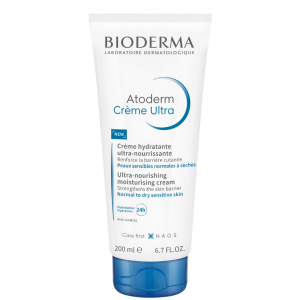
- Enforce Aggressive Lipid Repair: Apply rich, emollient formulations rich in physiological lipids. Look for products explicitly utilizing a balanced ratio of Ceramides, Glycerin, and Free Fatty Acids to mechanically plug the gaps in your skin matrix.
- Target Acute Inflammation Wisely: Utilize topical anti-inflammatory soothing agents (such as colloidal oatmeal, niacinamide, or panthenol) for mild irritation, and consult your dermatologist for short-term targeted prescription topical treatments during major clinical flare-ups.
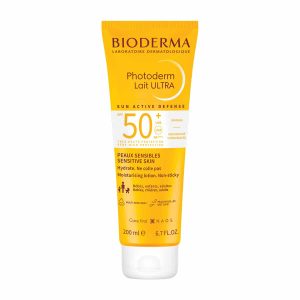
- Maintain Broad-Spectrum Photoprotection: Use stable, broad-spectrum sunscreens designed explicitly for hypersensitive skin—ideally mineral-based formulations (Zinc Oxide) that inherently possess anti-inflammatory properties.
Solutions on MD Dermoutlet
Explore Our Clearance Skincare Initiative
If you are currently rebuilding your daily routine from scratch or need to urgently substitute harsh cosmetics for pure, skin-friendly barrier formulas, our curated clearance facility provides immediate access to select, dermatologist-vetted formulations at deeply discounted rates.
These selections frequently consist of short-dated formulations (typically within a 3-month window prior to official expiry), yet remain fully stable, chemically safe, and maximally effective when deployed immediately within a structured barrier-repair routine. This initiative offers a highly accessible path to secure medical-grade skincare while focusing entirely on cellular restoration.
June Top-Selling Skincare Profiles
When navigating a severe skin crisis like Adult-onset eczema, observing the real-world choices of individuals managing identical skin vulnerabilities provides exceptional guidance. Explore our verified data-driven list of June’s highest-volume acquisitions on MD Dermoutlet—compiled entirely from real patient selections and trusted clinical regimens.
- Explore June Best Sellers on MD Dermoutlet
Dermatologist Insight
“Adult-onset eczema is fundamentally not an arbitrary, spontaneous disease. It is a clear biological signal that your skin barrier has been chronically overwhelmed by the compounding effects of modern skincare habits, environmental shifts, and systemic stress. Long-term therapeutic success relies entirely on structural restoration and trigger mitigation—not just chasing flares with transient crisis control.”
— Dr Matete Mathobela, Dermatologist & Founder, MD Cosmeceuticals
Key Takeaway: If your skin has suddenly shifted into an unmanageable, hyper-reactive state this season, it is not random. Your skin is explicitly requesting immediate repair, structural balance, and absolute consistency—not further chemical stimulation.
References
Adult-Onset Eczema
Silverberg JI. Adult-Onset Atopic Dermatitis
Excellent review focused specifically on adult-onset eczema, diagnosis, work-up, and management.
Kanwar AJ. Adult-Onset Atopic Dermatitis
Good review discussing presentation, triggers, diagnosis, and treatment of adult-onset eczema.

Like & Share