






Pigmentation in Skin of Colour: Why Dark Marks Last Longer Than The Pimple That Caused Them
By Dr Mathobela
The breakout is gone.
The eczema flare has settled.
The mosquito bite disappeared weeks ago.
Yet somehow, the dark mark is still there.
If this sounds familiar, you’re not alone. Pigmentation is one of the most common skin concerns I see in clinical practice, particularly in patients with skin of colour.
For many people, the biggest frustration isn’t the acne, rash, or irritation itself. It’s the mark that lingers long after the original problem has healed.
The good news? There are effective ways to manage pigmentation. The challenge is understanding what causes it, what makes it worse, and which treatments are actually supported by evidence.
Why Is Pigmentation In Skin Of Colour common?
People with darker skin tones naturally have larger and more active melanosomes, the structures responsible for producing and storing melanin.
Melanin is what gives skin its colour, but it also means the skin can respond more dramatically to irritation or inflammation.
This is why even minor skin injuries can sometimes leave behind noticeable dark marks.
Common triggers include:
- Acne
- Eczema
- Insect bites
- Cuts and scratches
- Friction
- Cosmetic irritation
- Melasma
In many cases, the original problem heals relatively quickly, but the pigmentation can remain for months or even years.
What Is Post-Inflammatory Hyperpigmentation?
One of the most common forms of pigmentation is post-inflammatory hyperpigmentation (PIH).
This occurs when inflammation stimulates melanocytes, causing excess melanin production in the affected area.
In simple terms:
A pimple appears.
The pimple heals.
The dark mark stays behind.
The same thing can happen after eczema, rashes, burns, insect bites, cosmetic procedures, or any condition that causes inflammation in the skin.
This is why dermatologists often focus on preventing inflammation before treating the pigmentation itself.
The Golden Rule Of Pigmentation Treatment
If there is one piece of advice I wish every patient remembered, it’s this:
Protect your skin from the sun every single day.
Many people spend thousands of rands on pigmentation treatments while skipping sunscreen.
Unfortunately, without proper sun protection, even the best pigmentation products will struggle to deliver optimal results.
Daily sunscreen helps reduce ongoing stimulation of melanocytes and prevents existing pigmentation from becoming darker.
For pigmentation-prone skin, look for:
- SPF 30 or higher
- Broad-spectrum protection
- Daily use
- Reapplication when needed
For many patients, sunscreen is the single most important pigmentation treatment they own.
Why Tinted Sunscreens Deserve More Attention
Most people know ultraviolet (UV) radiation can worsen pigmentation.
What many don’t realise is that visible light may also contribute to pigmentation disorders, particularly melasma.
This is where tinted sunscreens can be helpful.
Tinted sunscreens often contain iron oxides, which provide protection against visible light while helping to even out skin tone.
They are particularly useful for:
- Melasma
- Post-inflammatory hyperpigmentation
- Uneven skin tone
- Patients prone to recurrent pigmentation
For individuals struggling with stubborn pigmentation, switching from a standard sunscreen to a tinted sunscreen can be a worthwhile conversation with a dermatologist.
The Biggest Mistake People Make
One of the most common mistakes I see is treating the dark mark while ignoring the condition causing it.
A patient may buy multiple brightening products for pigmentation but continue experiencing active acne every week.
Each new breakout creates a new mark.
The cycle never ends.
Treating the underlying cause is often the first step toward improving pigmentation.
As I often tell my patients:
The pimple may last a week. The mark may last a year.
Five Things That Can Make Pigmentation Worse
1. Picking Pimples
Every time a pimple is squeezed or picked, inflammation increases.
More inflammation often means a higher risk of pigmentation.
2. Harsh Scrubs
Aggressive exfoliation can irritate the skin barrier.
In skin of colour, irritation itself can trigger pigmentation.
3. Constantly Changing Products
Social media is filled with skincare trends promising overnight results.
Pigmentation rarely responds well to product hopping.
Consistency almost always beats experimentation.
4. Ignoring Heat Exposure
Heat may contribute to pigmentation disorders such as melasma.
Potential sources include:
- Cooking over open flames
- Steam rooms
- Saunas
- Prolonged heat exposure
5. Expecting Instant Results
Pigmentation often develops gradually.
Improvement usually happens gradually too.
Patience is not optional when treating pigmentation.
The Ingredients Dermatologists Actually Use
The skincare industry loves “hero ingredients.”
The reality is that pigmentation is more complex than that.
Different ingredients work in different ways, which is why modern pigmentation routines often combine multiple active ingredients.
Vitamin C
Vitamin C helps:
- Brighten the skin
- Support antioxidant protection
- Reduce oxidative stress
- Improve overall skin radiance
Niacinamide And N-Acetyl Glucosamine (NAG)
This combination has become increasingly popular in pigmentation management.
Niacinamide helps reduce pigment transfer while supporting the skin barrier.
NAG works through a different pathway, making the combination particularly useful for:
- Uneven skin tone
- Post-inflammatory hyperpigmentation
- Early pigmentation concerns
Alpha Arbutin
Alpha arbutin helps reduce melanin production by inhibiting tyrosinase activity.
It is commonly used for:
- Hyperpigmentation
- Uneven skin tone
- Early melasma management
Kojic Acid
Kojic acid is another well-known pigmentation ingredient that works by targeting melanin production.
Tranexamic Acid
Tranexamic acid has become one of the most talked-about ingredients in pigmentation management.
Topical formulations are frequently used for:
- Melasma
- Hyperpigmentation
- Uneven skin tone
In selected patients, dermatologists may also prescribe oral tranexamic acid after a medical assessment.
Azelaic Acid
Azelaic acid is particularly useful because it can address multiple concerns simultaneously.
It is often recommended for:
- Acne-prone skin
- Sensitive skin
- Rosacea-prone skin
- Post-inflammatory hyperpigmentation
Cysteamine
Cysteamine has gained significant attention in recent years for the management of:
- Melasma
- Hyperpigmentation
- Uneven skin tone
Newer Pigmentation Ingredients
Advances in skincare continue to introduce new approaches to pigmentation management.
Some examples include:
- Butylresorcinol
- Hexylresorcinol
- Thiamidol®
- Melasyl™
- Sepiwhite® MSH
Many of these ingredients target different stages of pigmentation development, providing dermatologists with more options than ever before.
Why Modern Pigmentation Treatment Is No Longer About One Ingredient
One of the biggest changes in pigmentation management has been the move away from relying on a single ingredient.
Pigmentation is not a single process.
It involves:
- Melanocyte activation
- Melanin production
- Pigment transfer
- Inflammation
Because multiple pathways are involved, combination treatment often produces better results than relying on a single active ingredient.
This is one reason many modern pigmentation formulations combine several ingredients into a single product.
When Skincare Alone Is Not Enough
Sometimes pigmentation requires more than topical skincare.
Depending on the diagnosis and severity, treatment options may include:
Chemical Peels
Chemical peels can help improve:
- Pigmentation
- Acne marks
- Uneven skin tone
Examples include:
- Mandelic acid peels
- Salicylic acid peels
- Selected TCA-based peels
Microneedling
Microneedling may assist with:
- Post-acne pigmentation
- Acne scarring
- Overall skin rejuvenation
Prescription Treatments
Dermatologists may prescribe treatments such as:
- Hydroquinone
- Triple-combination creams
- Retinoids
- Oral tranexamic acid
These treatments should always be used under professional supervision.
Laser Treatments
Certain laser treatments can be used safely in skin of colour when appropriate devices and settings are selected by experienced practitioners.
Dr Matete’s Perspective
One of the biggest misconceptions in skincare is that there is a single product that “cures” pigmentation.
There isn’t.
Successful pigmentation management usually requires a combination of:
- Consistent sunscreen use
- Evidence-based ingredients
- Treatment of the underlying trigger
- Patience
- Long-term consistency
The best pigmentation treatment plan is often the one that patients can follow consistently rather than the most complicated routine.
Frequently Asked Questions
Is pigmentation in skin of colour common?
Yes. Skin of colour is generally more prone to developing pigmentation after inflammation, irritation, or injury.
What is the most important pigmentation treatment?
Daily sunscreen remains the foundation of every pigmentation treatment plan.
Can acne marks disappear on their own?
Yes. However, they may take months or even years to fade completely.
Does niacinamide help pigmentation?
Yes. Niacinamide may help reduce pigment transfer and improve uneven skin tone.
Is tranexamic acid effective for melasma?
Research suggests both topical and oral tranexamic acid can be helpful in appropriately selected patients.
Are lasers safe for skin of colour?
Some lasers can be used safely in skin of colour when performed by experienced practitioners using suitable devices and settings.
How long does pigmentation take to improve?
This varies depending on the cause, depth, and severity of the pigmentation. Some cases improve within a few months, while others may take longer.
Pigmentation products You Can Shop At MD Dermoutlet
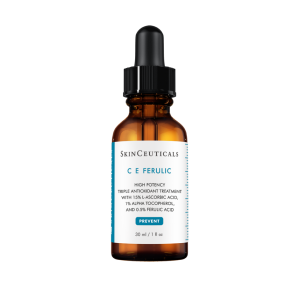
Vitamin C: MD Cosmeceuticals Vitamin C & Glutathione Gel, Avène Vitamin Activ Cg Serum, SkinCeuticals C E Ferulic
Niacinamide: MD Cosmeceuticals MelanClear Serum, La Roche-Posay Mela B3 Serum, Bioderma Pigmentbio C-Concentrate
Tranexamic Acid: SkinCeuticals Discoloration Defense, Bioderma Pigmentbio C-Concentrate
Alpha Arbutin: MD Cosmeceuticals MelanClear Serum
Cysteamine: Cyspera Intensive Pigment Corrector, Cysteo Pigment Corrector
Thiamidol®: Eucerin Anti-Pigment Dual Serum, Eucerin Anti-Pigment Spot Corrector
Melasyl™: La Roche-Posay Mela B3 Serum
Final Thoughts
Pigmentation in skin of colour is one of the most frustrating skin concerns because it often outlasts the condition that caused it.
The breakout heals.
The rash disappears.
But the mark remains.
Fortunately, modern dermatology offers more treatment options than ever before.
The key is understanding the cause, protecting your skin from further damage, and choosing evidence-based treatments rather than chasing quick fixes.
Remember:
The pimple may last a week. The dark mark may last a year.
The steps you take today can help prevent the pigmentation concerns of tomorrow.
Suggested reading
Cysteamine for Clear Skin: Fight Dark Spots and Melasma Effectively
Hyperpigmentation: Let’s Talk Glow (and How to Get It Back!)
References
- Davis EC, Callender VD. Postinflammatory Hyperpigmentation: A Review of the Epidemiology, Clinical Features, and Treatment Options in Skin of Color.
https://pmc.ncbi.nlm.nih.gov/articles/PMC2921758/ - Lyons AB, Trullas C, Kohli I, et al. Photoprotection Beyond Ultraviolet Radiation: A Review of Visible Light and Pigmentation.
- Dumbuya H, Grimes P, Lynch S, et al. Impact of Iron Oxide-Containing Formulations Against Visible-Light-Induced Pigmentation.
- Castanedo-Cazares JP, et al. Visible Light Protection in the Management of Melasma.
- Grimes PE. Management of Hyperpigmentation in Darker Racial Ethnic Groups.
- Lawrence E, Al Aboud K. Melasma. StatPearls Publishing.
https://www.ncbi.nlm.nih.gov/books/NBK459271/ - Goodman GJ. Pigmentary Disorders in Skin of Colour.
- Bissett DL, Oblong JE, Berge CA. Niacinamide: A B Vitamin That Improves Aging Facial Skin Appearance.
- Kimball AB, Kaczvinsky JR, Li J, et al. Reduction in Facial Hyperpigmentation After Treatment With N-Acetyl Glucosamine and Niacinamide.
- Pandya AG, et al. Melasma: A Comprehensive Update—Part I and II.
- Passeron T, Picardo M. Melasma, A Photoaging Disorder.

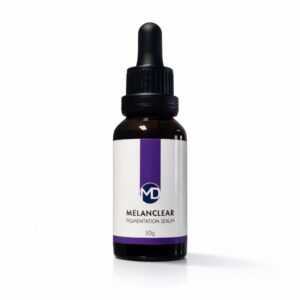
MD Cosmeceuticals Melanclear 30ml-Advanced Brightening Serum
Rated 4.00 out of 5
R880,00
Earn 440 MD Points.
Like & Share