






Hyperpigmentation: Let’s Talk Glow (and How to Get It Back!)
By Precious Chida
When you think about hyperpigmentation, you are probably getting that picture of stubborn dark spots that refuse to budge no matter how many serums you drench your skin with. Maybe you’ve tried covering them up with a foundation that promises miracles but somehow still lets them peek through. Annoying? Yes. Permanent? Absolutely not.
The truth is, hyperpigmentation doesn’t define your skin — and the best part is, there are more treatment options than ever before to help bring back your glow. So instead of another “what is hyperpigmentation” article (because let’s be real, you already know the basics), let’s talk about what really works, why chemical peels deserve way more love, and how different treatments can team up to get your skin looking radiant again.
Why Hyperpigmentation Happens
Let’s imagine your skin as a little storyteller. Hyperpigmentation is basically your skin leaving behind “footnotes” after things like:
- Sun exposure (hello, sunscreen negligence)
- Hormonal shifts (like melasma)
- Acne scars waving goodbye (but leaving a souvenir)
- Inflammation or skin injuries
- Genetics (thanks to the family tree!)
These dark marks are caused by excess melanin, the pigment responsible for your skin color. The trick isn’t just to fade them — it’s to calm your skin, prevent new ones from forming, and even out your overall complexion.
The Unsung Hero: Chemical Peels
Now let’s talk chemical peels, the treatment most people have heard of but don’t actually understand. No, it’s not the scary Hollywood version where your face looks like it’s about to crack off. A professional chemical peel is far more sophisticated (and gentle) than that.
Here’s why it works so well for hyperpigmentation:
- Exfoliation on steroids: Peels use ingredients like glycolic acid, lactic acid, or trichloroacetic acid to remove dead skin cells, revealing fresher, more even-toned skin beneath.
- Boosts cell turnover: Your skin naturally sheds, but peels give it a fast-forward button, which helps fade pigmentation quicker.
- Customizable strength: Whether you need a light refresh or a deeper peel, dermatologists can tailor the treatment to your skin type and goals.
- Glow factor: The instant radiance after a peel is real.
Think of it as a reset button for your skin perfect for those stubborn dark spots that skincare alone hasn’t managed to fade.
Tag Team Treatments: Because One Size Doesn’t Fit All
While chemical peels are amazing, they’re not a solo act. Hyperpigmentation responds best to a combo approach. Here’s the dream team:
- Laser Therapy
Lasers target melanin directly, breaking down pigmentation and allowing your body to naturally clear it away. Modern laser treatments are precise, meaning they zap the spots without damaging surrounding skin. Great for deeper, more stubborn pigmentation.
- Microneedling (Dermapen)
This treatment creates tiny micro-injuries in the skin, stimulating collagen production and allowing pigmentation-fighting serums to penetrate deeper. Bonus: it also improves skin texture and firmness.
- Topical Treatments
- Vitamin C (brightens and protects from further damage)
- Niacinamide (calms redness and helps with uneven tone)
- Cysteamine (powerful for melasma and stubborn pigmentation — look out for products like Cyspera)
- Tranexamic Acid (fantastic for reducing stubborn dark patches)
- Sun Protection (The Non-Negotiable)
Honestly, all the treatments in the world won’t work if you’re not protecting your skin from UV rays. A broad-spectrum SPF 50+ is a must. Pro tip: reapply every 2 hours if you’re outdoors.
What Makes Professional Treatments Stand Out
You might be thinking why not just stick to over-the-counter creams? If you want results, you might have to abandon that idea. Professional treatments like chemical peels, microneedling, and lasers go deeper than surface-level creams. They’re controlled, medical-grade, and supervised by experts (no TikTok DIY disasters here).
That means:
- Faster visible improvements
- Fewer side effects compared to at-home experiments
- Tailored solutions for your unique skin type and pigmentation concerns
The Glow-Up Game Plan
If you’re dealing with hyperpigmentation, here’s how a dermatologist might approach it:
- Consultation Your skin gets a full check-up to identify the type of hyperpigmentation (because melasma, sun spots, and post-inflammatory marks don’t behave the same).
- First Line of Defense Start with medical-grade topical products and consistent sun protection.
- Boost with In-Office Treatments Chemical peels every few weeks to accelerate cell turnover, combined with treatments like microneedling or laser sessions for stubborn patches.
- Maintenance Mode Keep using topical actives at home while scheduling touch-up treatments a few times a year.
Fun Truth Bombs About Hyperpigmentation
- Patience is key: Hyperpigmentation fades, but it’s not overnight magic. Most people see significant results after a series of treatments.
- Consistency beats intensity: A few gentle peels spaced out are usually more effective (and safer) than going for the strongest peel in one go.
- Prevention is cheaper than correction: Sunscreen and early treatment can save you money (and frustration) in the long run.
- Glowing skin is teamwork: Think of your dermatologist as your coach and your products as your daily training.
Hyperpigmentation doesn’t have to ruin your confidence. With treatments like chemical peels, lasers, and microneedling — combined with the right topical products and sun protection — you can reclaim your skin’s natural brightness.
So, if you’ve been staring at those dark spots in the mirror wondering if they’ll ever fade, take this as your sign: it’s time to call in the professionals. Your glow is waiting.
Pro Tip: If you’re curious about which treatment plan is best for you, book a consultation with a dermatologist. They’ll create a roadmap designed specifically for your skin type and pigmentation concerns.
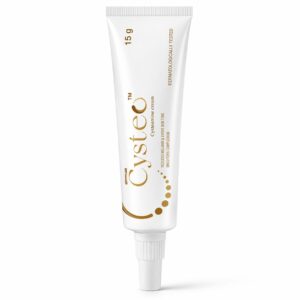
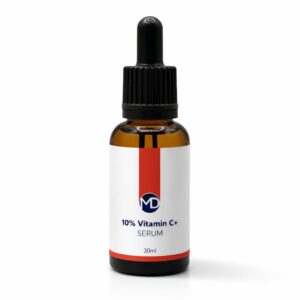

Cyspera Pigment Correction System
Earn 2244 MD Points.
Like & Share