





Sunscreen for Dark Skin: Bye-Bye White Cast, Hello Glow
By Precious Chida
Let’s be honest, if you have a deep or dark skin tone, sunscreen has probably felt like a love-hate relationship.
We love the idea of protection but hate what it does to our skin.
The white cast.
The ghostly finish.
The “why-do-I-look-like-I’ve-just-battled-baking-flour” effect.
Sound familiar?
People with melanin-rich skin have been navigating sunscreen struggles for decades. And while we’ve come a long way, the ghost of past SPFs still haunts us—especially those chalky ones that leave our skin looking ashy, grey, or worse… purple.
But here’s the thing: you need sunscreen. Every day. Yes, even when it’s cloudy. Yes, even if you never burn. And yes, even if your melanin is popping. So, let’s clear up the confusion, debunk the myths, and talk about how to protect your glow, without losing it in a cloud of white residue.
First, Let’s Talk Truth: Why Melanin Still Needs SPF
Melanin is magical. It gives our skin its rich tone and some protection from UV rays. But it’s not a forcefield.
Dark skin has a natural SPF of around 13—not nearly enough to defend against the sun’s harmful effects. This means:
- You can still get sunburn.
- Hyperpigmentation can get worse with sun exposure.
- Skin cancer does occur in dark skin, and it’s often diagnosed later, when it’s more dangerous.
- Aging, uneven skin tone, and sunspots can all be triggered or worsened by UV rays.
So yes, even melanin needs a shield. Sunscreen is self-care, not a suggestion.
So, What’s With the White Cast?
Ah, the classic sunscreen betrayal. You apply your SPF expecting protection, only to look like you’ve just lost a flour fight.
The culprit? Mineral sunscreens, a.k.a. physical sunscreens. These use zinc oxide and titanium dioxide to sit on top of your skin and reflect UV rays. Sounds great, except they’re naturally white and pasty. Unless micronized or tinted, they leave a film on the skin, especially visible on deeper tones.
Chemical sunscreens, on the other hand, sink into the skin and absorb UV rays. They’re typically invisible, but some can irritate sensitive skin or sting the eyes.
So, what’s the sweet spot?
What to Look for in a Sunscreen for Dark Skin
The ideal sunscreen for melanin-rich skin should be:
- Invisible (obviously!)
- Non-comedogenic (won’t clog your pores)
- Lightweight (so you don’t feel like you’re wearing a face mask)
- Protective (with broad-spectrum SPF 30+)
Bonus points if it helps with hydration or pigmentation issues too.
Here’s what helps:
- Go for Hybrid or Chemical Formulas
These tend to blend seamlessly into the skin and leave no chalky residue. Newer hybrid formulas combine the best of both chemical and physical worlds.
- Look for Fluids, Gels, and Sprays
They absorb fast, don’t feel greasy, and are great for layering under makeup or using on the go.
- Try Tinted Options
Tinted sunscreens with iron oxides can help even out your tone while adding extra protection against visible light, which worsens hyperpigmentation in darker skin.
The MVPs: Sunscreens That Won’t Ghost You
These are our favourite picks that work for darker skin tones, won’t leave a white cast, and are available through our practice:
MD Cosmeceuticals Solar Safeguard SPF 50+
This formula is made for all skin types and offers broad-spectrum UVA/UVB protection. It’s lightweight, absorbs beautifully, and plays nicely with other skincare.
- No white cast
- Non-greasy finish
- Great for acne-prone skin
- Antioxidant-rich
- Perfect for everyday use—rain or shine.
Bioderma Photoderm Aquafluide SPF 50+
This ultra-light, matte fluid disappears into the skin like a dream. It’s ideal if you have oily or combination skin and don’t want any shine.
- No greasiness
- Matte finish
- No white residue
- Works beautifully under makeup
Bioderma Photoderm Invisible Mist SPF 50+
A completely transparent SPF mist that you can spray on your body and face. If rubbing sunscreen in is not your vibe, this is the easy button.
- Spray-on convenience
- Zero residue
- Water-resistant
- Suitable for all skin tones
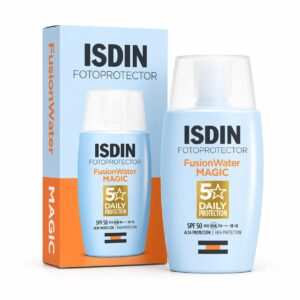
ISDIN Fusion Water SPF 50+
Lightweight, oil-free, and leaves no trace—this sunscreen is a cult favourite for a reason. It’s a chemical sunscreen that melts into the skin instantly and leaves a velvety finish.
- No white cast
- Ultra-light texture
- Ideal for sensitive and acne-prone skin
- Doesn’t sting the eyes
- It also layers well under makeup and has a fresh, watery feel you’ll love.
Heliocare 360 Gel Oil-Free SPF 50+
A high-protection sunscreen with Fernblock®, an antioxidant-rich extract that helps protect against free radicals. It’s oil-free, which makes it ideal for oily or acne-prone skin types.
- Invisible finish
- Matte texture
- Helps prevent pigmentation
- Offers infrared and blue light protection
- Bonus: It’s especially good if you’re using brightening serums or treatments and want to protect your progress.
How to Apply (Without Looking Like a Glazed Donut)
Let’s not overcomplicate it. Here’s how to get the best out of your SPF:
- Use enough. Two finger-lengths of sunscreen for your face and neck. Reapply every 2 hours if you’re outdoors.
- Apply to dry skin. Let your moisturiser sink in first.
- Don’t forget the forgotten zones: ears, eyelids, neck, chest, hands.
- If you wear makeup, apply sunscreen first, let it settle, then go in with your usual routine. You can top up later with a spray SPF or powder sunscreen.
Myth Buster: SPF Edition
Let’s squash some common sunscreen myths that just won’t die:
“Black people don’t need sunscreen.” Yes, we do. Melanin helps, but it’s not enough.
“I’m indoors all day, so I don’t need SPF.” UV rays penetrate windows. Office jobs still need sunscreen.
“Sunscreen causes acne.” Only the wrong kind does. Choose non-comedogenic, lightweight formulas like the ones listed above.
“I can skip SPF if my makeup has SPF.” Nope. You’d need to apply a lot of foundation to get the full protection. Always use a standalone sunscreen first.
Why It’s Worth It
If you’re investing in serums, exfoliants, and peels but not wearing sunscreen, you’re wasting your time and money. Sunscreen is your skin’s ultimate insurance policy. It prevents:
- Post-inflammatory hyperpigmentation
- Uneven tone
- Premature aging
- Sunspots
- Skin cancer
Your glow needs SPF to thrive.
Keep the Glow, Lose the Ghost
Gone are the days when sunscreen meant looking ashy, chalky, or like you’ve been caught in a snowstorm. Today’s formulations cater to melanin-rich skin, so there’s no excuse left.
Find your match, apply it daily, and let your skin shine in all its natural glory, without the ghosting.


Like & Share