




How Chemical Peels Help with Acne and Scarring
By Precious Chida
There are a lot of frustrations that come with struggling with Acne. I for one can testify the lack of confidence that I had at some point in my life because of how my skin looked. It wasn’t just the acne, there was also the dreaded monster, acne scars that the breakouts left behind which were even harder to treat. You’ve likely tried every product out there, serums, cleansers, spot treatments, masks only to see little improvement. Well, a treatment that goes deeper is what you might just need now: chemical peels! Of course, a lot of people think chemical peels are just a treatment for anti-aging, however, they are also one of the best solutions for breakouts and the scars that refuse to let you go.
So, Let’s break down how chemical peels can clear up your skin, smooth out scars, and give you that glow you are longing for!
What’s a Chemical Peel?
Firstly, Chemical peels are a controlled exfoliation process that assist your skin to regenerate itself (Although the term does sound a little intimidating, after all, it involves applying acids to your skin). A chemical peel essentially “peels” away the damaged outer layers, allowing newer, healthier skin to take its place by applying specific caustic agents to the surface of your skin. This process is called keratocoagulation, a fancy word for protein breakdown in the top layers of your skin, which eventually leads to exfoliation.
But the real magic happens in how your skin responds to the treatment. When the outer layers are peeled away, it triggers the release of pro-inflammatory cytokines, which start a healing cascade, stimulating the production of new collagen and elastin. The result? Renewed skin, fewer acne lesions, and smoother texture over time.
Acne and Chemical Peels: The Dynamic Duo
So, how exactly does peels help with acne? Let’s get into the specific details.
Targeting the root of the problem is the main key to clearing up acne: excess oil production, clogged pores and bacteria. Chemical peels that contain salicylic acid, a beta hydroxy acid (BHA) works magic on skin with the above issues which are highly the culprits behind breakouts. Salicylic acid is like an extractor of oil and debris trapped in your pores. It penetrates deep into the skin and dissolves excess oil and dead skin cells.
Take it as a reset button for your skin, by clearing away the grease trapped in your pores, a chemical peel helps prevent future breakouts while treating the ones already troubling you. No wonder salicylic acid is often referred to as the “gold standard” for treating acne.
What About Acne Scarring?
It is annoying when acne leaves behind scars that seem impossible to hide. Don’t worry, take a deep breath, it’s not over just yet! Chemical peels can assist in minimising the appearance of acne scars, especially superficial scars. The peeling process encourages the skin to rejuvenate itself from the inside out, which triggers the production of fresh collagen, an essential protein responsible for skin’s elasticity and smoothness.
For acne scars, Dermatologists highly recommend medium-depth peels, like those using trichloroacetic acid (TCA). These peels penetrate deeper into the skin, reaching the upper layers of the dermis, which is where your acne scars are formed. Over time, regular treatments can significantly smooth out rough skin texture and reduce the appearance of scars.
How Many Peels Will I Need?
Now this is the part where our needs differ from person to person and a personalised plan is essential. The number of peels you’ll need depends on the severity of your acne or scarring. Some people see noticeable results after just one treatment, especially for superficial acne. But if you’re dealing with deeper acne scars, you may need several sessions to see any changes and achieve your skin goals. Consult your dermatologist to get the right peel strength and frequency based on your skin type and concerns.
What to Expect During a Chemical Peel
You might be thinking, “What are they really doing to my skin during a chemical peel?” It’s not as scary as it sounds, no need to worry!
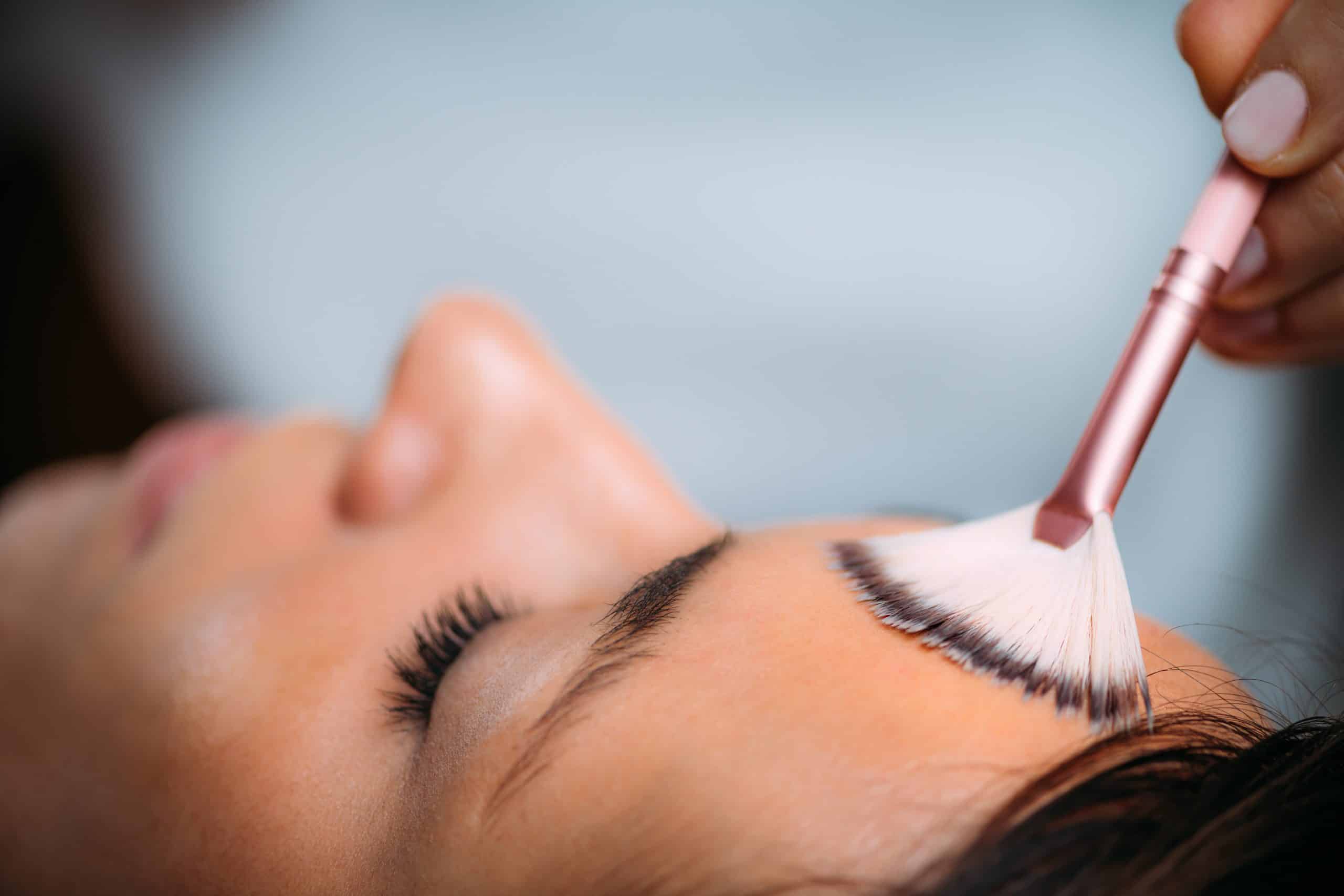
During the treatment, your dermatologist will apply the peeling agent (such as salicylic acid or TCA) to your skin. This will create a controlled burn or “frosting” effect on the top layers of your skin. Now when you see some areas turn white, it’s a good thing, don’t panic! It’s a sign that the chemical is working. Depending on the depth of the peel, you might feel a mild tingling or stinging sensation, which is perfectly normal.
For superficial peels (great for mild acne), the process is quick, and you can go back to your normal activities almost immediately. There may be some light peeling or flaking, but this usually subsides in a few days. Medium-depth peels, used for more significant scarring, might require a bit more downtime, as the skin needs extra time to heal.
Post-Peel Care: How to Take Care of Your Skin After Treatment
Now, here’s where you need to be extra careful! Aftercare is vital to getting the best results from a chemical peel. Your skin is going to be more sensitive to the sun and other environmental factors after undergoing such a deep exfoliation from the peel.Your dermatologist will likely advise you to avoid sun exposure as much as possible and use a broad-spectrum sunscreen religiously. Physical sunscreens (those with zinc oxide or titanium dioxide) are advised during the healing phase.
Additionally, you’ll need to keep your skin hydrated with gentle, non-irritating moisturizers and avoid picking or peeling any flaking skin (even though it’s quite tempting!). This allows your skin to heal properly and prevent any unwanted pigmentation or irritation.
Who Is a Good Candidate for a Chemical Peel?
If you have a highly sensitive or reactive skin, unfortunately you are not the ideal candidate for a chemical peel. However, if you have oily, acne-prone skin, chemical peels can be the best treatment option. It’s important to have a thorough consultation with your dermatologist to determine if a peel is right for you. They’ll assess your skin type, acne severity, and any underlying conditions to recommend the best course of action.
Final Thoughts: Is It Worth It?
The short answer? Yes! If you’re looking for a treatment that targets both acne and acne scars, chemical peels can be an effective and affordable option. These treatments are safe when performed by professionals even though just the thought of using acids on your face seems to be intense and scary. Moreover, they offer long-lasting benefits for clearer, smoother skin.
And the best part? Chemical peels not only clear up acne and fade scars but also improve overall skin texture and tone. Think of it as a triple-threat solution that can help you finally get the glowing, even skin you’ve been longing for.
Remember, it’s essential to go to a licensed dermatologist to get the best, safest results. Don’t be tempted to do DIY peels or treatments in non-clinical settings, they can lead to complications or even make your skin worse.
So, are you ready to ditch the acne and those annoying scars? Talk to your dermatologist today and find out whether a chemical peel is the right option for you.
Like & Share