


Arbutin: Your Skin’s Secret Weapon for a Brighter Complexion

Arbutin: Your Skin’s Secret Weapon for a Brighter Complexion

By Precious Chida

Have you been thinking of ways to target those pesky dark spots and uneven skin tone without any irritation? Meet arbutin, the unsung hero of skin brightening! If hyperpigmentation, melasma, or an uneven skin tone is something you’re battling, you might just need arbutin as your new buddy.  What is Arbutin, anyway? A naturally occurring compound, arbutin is derived from plants like bearberry, wheat, and pear. It’s often compared to hydroquinone, a well-known skin-lightening agent, but here’s the twist, arbutin is much gentler on the skin. Unlike hydroquinone, which can be harsh with prolonged use, arbutin breaks down into a milder form, lessening the risk of irritation. How does arbutin work?  When applied to the skin, arbutin inhibits tyrosinase, an enzyme responsible for melanin production. By blocking this step in melanin synthesis, arbutin helps to block new spots from forming and gradually reduces the appearance of existing pigmentation, leaving your skin looking brighter and more even toned over time. Why is Arbutin So Great for Brightening?
  1. Reduces Melanin Production 
Think of arbutin as a block in the chain of melanin production. It inhibits tyrosinase, which stops excess melanin from building up. With less melanin, your skin becomes evidently brighter, and those dark spots fade over time.
  1. Antioxidant Benefits
Arbutin doesn’t just lighten, it protects! Packed with antioxidants, it fights free radicals that lead to premature aging. So, while it’s brightening your skin, it’s also shielding it from environmental stressors.
  1. Safe for Most Skin Types
Sensitive skin? No problem! Unlike some brightening agents, arbutin is gentle, making it a preferred choice for people with sensitive or acne-prone skin. It’s the best option for a slow-and-steady brightening approach without the irritation or sensitivity flare-ups. Alpha-Arbutin vs. Beta-Arbutin: Which One is Better? Arbutin comes in two forms: alpha and beta. Of course, both have brightening benefits however alpha-arbutin is the gold standard. It’s water-soluble, making it more stable and effective at lower concentrations than beta-arbutin. If you’re serious about skin brightening, you have to hold on to alpha-arbutin, it’s gentle yet powerful and suitable for all skin types. Available Arbutin Products you can try
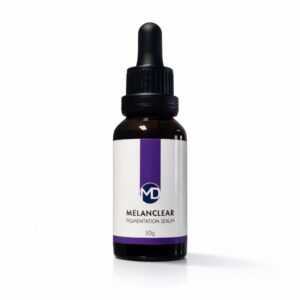
  1. MD Cosmeceuticals Melanclear 
This powerhouse serum contains arbutin and antioxidants to reduce dark spots, brighten skin tone, and protect against free radicals. It is formulated with other skin-enhancing components like tranexamic acid and niacinamide for a more comprehensive approach. With its gentle formulation, it’s perfect for those seeking an effective solution to hyperpigmentation without irritation.
  1. Obagi-C Fx Clarifying Serum
Formulated with 7% arbutin and Vitamin C, this serum targets stubborn dark spots and signs of aging. It’s a favourite for its combination of skin-brightening power and antioxidant protection, giving you a more radiant glow over time.
  1. SkinCeuticals Discoloration Defense
This clinically proven formula combines arbutin with tranexamic acid and niacinamide, creating a powerful trifecta for tackling discoloration. It’s designed to reduce the forming of dark spots and even out skin tone, making it a go-to choice for those with hyperpigmentation concerns. How to Use Arbutin in Your Skincare Routine Ready to make arbutin a part of your skincare routine? Here’s how to get the most out of it:
  1. Apply after Cleansing and Toning
To maximize absorption, use arbutin right after your toner but before your moisturizer. This helps it penetrate effectively and work its magic.
  1. Pair with Sunscreen
While arbutin works to fade dark spots, exposure to sunlight can undo its hard work. Daily SPF is essential! Protect your skin and prevent new spots from forming by applying a broad-spectrum sunscreen every day.
  1. Combine with Vitamin C or Niacinamide
Want to amplify your results? Arbutin works well with ingredients like Vitamin C and niacinamide. When paired together, these ingredients form a skin-brightening dream team that enhances each other’s effects, helping you achieve that glowing complexion earlier than you expect.
  1. Be Consistent and Patient
Arbutin isn’t an overnight fix. With consistent use, you can expect to see a noticeable improvement in skin tone and brightness within 8-12 weeks. Regular application is key to achieving long-lasting results, so don’t be discouraged if it takes some time! What Skin Concerns Does Arbutin Target? Arbutin is an excellent option for anyone struggling with:
  • Hyperpigmentation: Dark patches, often caused by sun damage or hormonal changes, can be reduced with regular arbutin use.
  • Melasma: This common skin condition results in brown or greyish patches on the face. Arbutin is a safer choice than many alternatives for those dealing with melasma.
  • Post-Inflammatory Hyperpigmentation (PIH): If you have spots left from acne or other injuries, arbutin helps fade them and restore an even skin tone.
  • General Skin Brightening: Even if you don’t have specific spots or pigmentation issues, arbutin can provide an overall brightening effect, giving you a fresher, more youthful complexion.
Arbutin and Sensitive Skin: A Perfect Match If you have sensitive skin or are prone to reactions, arbutin is a great alternative to harsher brightening agents like hydroquinone. It’s a safer option for long-term use, giving you results without the usual side effects, making it ideal for daily application. Is Arbutin Right for You? If you’re on a journey to a brighter, more even complexion, arbutin could be a game-changer. It’s a great option for those who want results without irritation or downtime. Just remember, patience is key, bright, even skin doesn’t happen overnight, but with arbutin, it’s within reach!

Like & Share