




How Long Should Your Skincare Products Last? A Dermatologist’s Guide to Using the Right Amount
By Dr Mathobela
Have you ever opened your bathroom cabinet and found a sunscreen bottle you bought months ago that is still almost full? Or perhaps you have the opposite problem—a moisturiser or serum that seems to disappear much faster than expected?
Many people assume that making skincare products last longer means they are saving money. However, when products are consistently underused, the skin may not receive enough of the ingredients needed to achieve the desired results.
Skincare is not only about choosing the right products. It is also about using them correctly.
The amount of product applied, how consistently it is used, and how long it takes to finish can all provide important clues about whether a skincare routine is working as effectively as possible.
Dermatologists often see patients investing in high-quality skincare products but not seeing improvement because key products such as sunscreen, treatment serums, and moisturisers are not being applied in sufficient amounts.
A product can only perform as well as the way it is used.
Whether the goal is improving pigmentation, managing acne, strengthening the skin barrier, or maintaining healthy skin, applying the correct amount is an essential part of achieving better results.
Quick Answer: How Long Should Skincare Products Last?
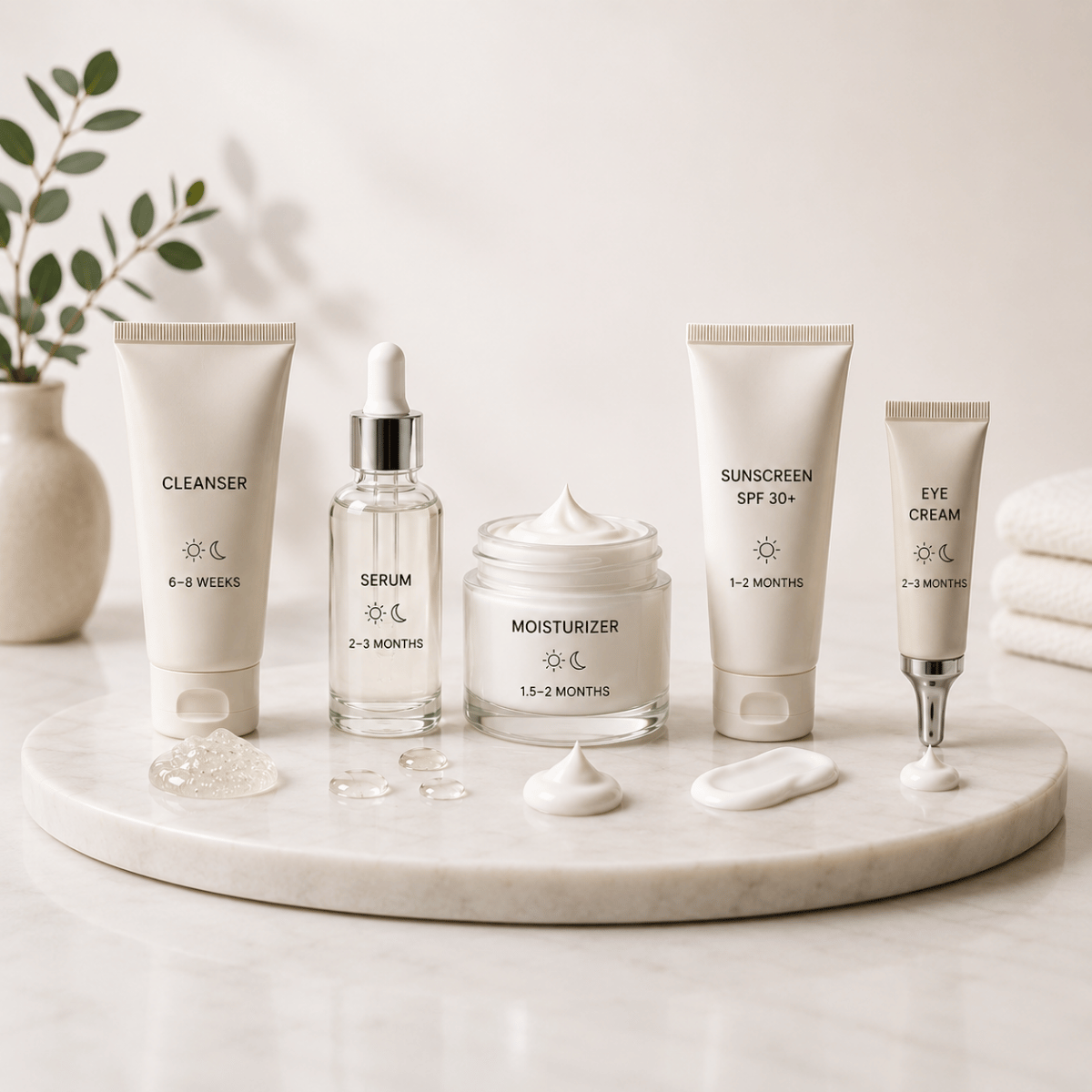
While every skincare routine is different, most products are designed to last within a specific timeframe when used according to recommended amounts.
Here is a general guide:
| Skincare Product | Common Size | Expected Usage Time |
|---|---|---|
| Serum | 30 ml | Approximately 2 months |
| Sunscreen | 50 ml | Approximately 1 month |
| Sunscreen | 100 ml | Approximately 2 months |
| Cleanser | 100 ml | Approximately 1–2 months |
| Moisturiser | 50 ml | Approximately 1 month |
These timeframes are estimates and may vary depending on:
- Whether the product is applied to the face only or includes the neck and décolletage
- Whether it is used once or twice daily
- The amount applied each time
- The skin concern being treated
However, if a sunscreen, serum, or moisturiser is lasting significantly longer than these estimates, it may be a sign that too little product is being used.
Why Does the Amount of Skincare You Use Matter?
Many skincare users focus heavily on choosing the “best” products but overlook one of the most important factors: correct application.
A dermatologist-recommended skincare routine works through consistency and proper dosing.
Similar to medication, skincare products need to be applied in the correct amount to deliver the intended effect.
Using too little product can mean:
- Active ingredients are not reaching the skin in sufficient quantities
- Protection levels are reduced
- Results may take longer or may not be noticeable
- Money is spent without receiving the full benefit
This is especially important for products designed to target specific concerns, including:
- Pigmentation
- Acne
- Uneven skin tone
- Fine lines and signs of ageing
- Dehydrated or sensitive skin
A carefully selected skincare routine combined with correct usage can make a significant difference.
Sunscreen: The Skincare Product Most People Underuse
If there is one skincare product where application amount matters most, it is sunscreen.
Many people apply sunscreen every morning but use far less than the amount used during sunscreen testing.
This means the SPF protection on the bottle may not accurately represent the level of protection the skin receives.
For example, a sunscreen labelled SPF50 provides SPF50 protection when tested at the required application amount. Applying a much thinner layer can significantly reduce the protection achieved.
This is one of the reasons some people continue experiencing:
- Persistent pigmentation
- Dark marks after acne
- Uneven skin tone
- Premature signs of ageing
despite using sunscreen regularly.
How Much Sunscreen Should You Apply?
A commonly recommended guideline is the two-finger rule.
This involves applying enough sunscreen to cover the length of the index and middle fingers for the face and neck.
Many people underestimate how much sunscreen is needed because the correct amount can feel like more product than expected.
A 50 ml sunscreen used correctly every day should generally last around one month.
If a 50 ml sunscreen lasts three or four months, it is likely that too little product is being applied.
Common Sunscreen Mistakes
1. Applying sunscreen only once in the morning
While applying sunscreen every morning is essential, reapplication may be needed depending on:
- Time spent outdoors
- Sweating
- Swimming
- Outdoor activities
2. Forgetting areas beyond the face
Many people remember their face but forget commonly exposed areas such as:
- Neck
- Ears
- Hairline
- Chest area
3. Using sunscreen only when sunny
UV exposure occurs throughout the year, including cloudy days.
Daily sunscreen remains one of the most important steps in protecting the skin from UV-related damage.
Explore our range of broad-spectrum sunscreens suitable for different skin types and concerns.
Serums: Why A Few Drops Does Not Mean One Drop
Serums are among the most popular skincare products because they contain concentrated ingredients designed to target specific concerns.
However, because serums are often more expensive than cleansers or moisturisers, many people try to make them last as long as possible.
The problem?
Using too little serum may mean the skin is not receiving enough of the active ingredients required to support visible improvement.
A 30 ml serum should generally last around two months when used consistently.
The exact amount depends on the product formulation, but most serums require enough product to evenly cover the skin rather than just a single drop placed in a few areas.
Different Serums Require Different Expectations
Pigmentation Serums
Products designed for pigmentation may contain ingredients such as:
- Vitamin C
- Niacinamide
- Tranexamic acid
- Other pigment-correcting ingredients
These products work best when combined with daily sunscreen because UV exposure can continue triggering pigment production.
Acne Serums
Acne-focused products may include ingredients that help regulate oil production, unclog pores, or reduce inflammation.
Examples include:
- Salicylic acid
- Retinoids
- Other acne-targeting ingredients
These products should be introduced carefully because using too much can increase irritation.
Anti-Ageing Serums
Ingredients such as retinoids, peptides, and antioxidants are commonly used to support healthier-looking skin.
Consistency over time is usually more important than applying excessive amounts.
Moisturisers: Why Using Too Little Can Affect Your Skin Barrier
Moisturiser is often misunderstood, especially by people with oily or acne-prone skin.
A common misconception is that moisturiser is only necessary for dry skin. In reality, almost every skin type can benefit from maintaining a healthy skin barrier.
The skin barrier is the outermost layer of the skin that helps protect against environmental stressors while preventing excessive water loss. When this barrier becomes compromised, the skin may become:
- Dry and flaky
- More sensitive
- Easily irritated
- More reactive to skincare products
- Prone to discomfort and redness
Using too little moisturiser may mean the skin is not receiving enough support to maintain optimal hydration.
A 50 ml moisturiser should generally last approximately one month when used correctly.
However, the ideal amount depends on:
- Your skin type
- The texture of the moisturiser
- Whether it is used once or twice daily
- Whether it is applied to the face only or includes the neck
How Much Moisturiser Should You Use?
The right amount of moisturiser should allow the skin to feel comfortable and hydrated without leaving an excessive greasy layer.
A common mistake is applying a very small amount and spreading it too thinly because of concerns that it may feel heavy.
Instead, moisturiser should be applied evenly across the face, including areas that commonly become dehydrated such as:
- Around the mouth
- Cheeks
- Areas affected by active skincare treatments
People using ingredients such as retinoids, exfoliating acids, or acne treatments may need additional barrier support because these ingredients can sometimes cause dryness or sensitivity during adjustment periods.
Cleanser: More Is Not Always Better
Cleansing is an important step in removing:
- Dirt
- Excess oil
- Sunscreen
- Makeup
- Environmental pollutants
However, cleansing too aggressively can do more harm than good.
Many people believe that the “tight” feeling after cleansing means the skin is completely clean. In reality, that tight sensation may indicate that the skin has been stripped of important natural oils.
Over-cleansing can contribute to:
- Dryness
- Increased sensitivity
- Irritation
- A weakened skin barrier
This is particularly important for individuals managing acne, rosacea, eczema, or sensitive skin.
Common Cleansing Mistakes
Washing the face too frequently
Most people do not need to cleanse excessively throughout the day.
For many individuals, cleansing once or twice daily is sufficient depending on their skin type and lifestyle.
Using harsh products
Strong cleansers may remove oil effectively but can disrupt the balance of the skin barrier.
A gentle cleanser that suits your skin type is often a better long-term choice.
Scrubbing aggressively
Physical scrubbing does not necessarily mean cleaner skin.
Aggressive rubbing can cause unnecessary irritation, especially for sensitive or acne-prone skin.
A 100 ml cleanser should typically last around one to two months depending on usage.
How to Tell If You Are Using Too Much Skincare
While many people underuse skincare products, some people go in the opposite direction and apply far more than necessary.
More product does not always mean better results.
Using excessive amounts can lead to:
- Product wastage
- Increased irritation
- Sensitivity
- Pilling (products rolling off the skin)
- Unnecessary expense
Some signs you may be overusing products include:
- Your serum finishes within a few weeks
- Your skin feels constantly irritated
- Multiple active products are causing dryness
- Your routine contains many overlapping ingredients
- Your skin feels worse despite adding more products
Skincare should be balanced. The goal is not to use the most products possible—it is to use the right products consistently and correctly.
How to Tell If You Are Using Too Little Skincare
On the other hand, products that last unusually long may indicate underuse.
Signs include:
✔ A sunscreen bottle lasting several months
✔ A serum barely changing after weeks of use
✔ Your skin still feels dry despite owning moisturiser
✔ Pigmentation does not improve despite using treatment products
✔ You apply products inconsistently to make them last longer
The solution is not necessarily buying new products.
Sometimes the answer is simply reviewing your application technique and ensuring you are using enough of the products you already own.
Does Skincare Expiry Matter?
Yes.
Like all cosmetic products, skincare has a recommended shelf life.
Most skincare products include a Period After Opening (PAO) symbol, which looks like a small open jar with a number followed by the letter “M”.
For example:
- 6M means the product is recommended for use within six months after opening.
- 12M means the product is recommended for use within twelve months after opening.
Over time, ingredients can become less stable, especially if products are exposed to:
- Heat
- Direct sunlight
- Moisture
- Frequent contamination
This is why storing products correctly matters.
How to Store Skincare Correctly
To help maintain product quality:
- Keep products away from direct sunlight
- Avoid storing skincare in hot areas
- Close containers properly after use
- Avoid touching product openings unnecessarily
- Follow expiry recommendations
A bathroom cabinet may seem convenient, but areas with frequent heat and humidity may not always be ideal for every product.
Saving Money Without Compromising Your Skincare Results
A good skincare routine does not necessarily need to be expensive.
The key is purchasing products that suit your skin concerns and using them correctly.
One of the biggest skincare mistakes people make is continuously buying new products because they believe their routine is not working—when the real issue may be inconsistent use or incorrect application.
Smart skincare spending includes:
Choosing products based on your skin needs
A routine does not need ten different products.
A well-designed routine often focuses on:
- Cleanser
- Treatment product
- Moisturiser
- Sunscreen
Using products correctly
Buying a high-quality sunscreen but applying too little reduces its value.
Buying an effective serum but using it inconsistently reduces the likelihood of seeing results.
Taking advantage of skincare offers
The MD Dermoutlet Clearance section provides an opportunity to access selected skincare products at reduced prices while maintaining quality and effectiveness within their shelf life.
These products are particularly useful for everyday essentials such as:
- Cleansers
- Moisturisers
- Sunscreens
Selected clearance products generally have approximately three months before expiry, making them suitable for customers who will use them consistently and finish them within the recommended timeframe.
It is a practical way to maintain a professional skincare routine while being mindful of cost.
When shopping for skincare online, price is only one consideration. The retailer, product information and transparency around discounts are also important. Read our guide on where to buy dermatologist-recommended skincare in South Africa and what to look for when choosing a skincare retailer.
Common Skincare Mistakes Dermatologists Often See
1. Treating pigmentation without daily sunscreen
Many people invest in pigmentation treatments but do not consistently protect their skin from UV exposure.
Without proper sun protection, pigmentation triggers can continue, making improvement more difficult.
2. Changing products too quickly
Skincare requires patience.
Many active ingredients need consistent use over weeks or months before visible improvements are noticed.
Changing products constantly can make it difficult to determine what is actually working.
3. Using too many active ingredients
Combining multiple strong ingredients may seem like a way to achieve faster results.
However, excessive use of active ingredients can lead to:
- Irritation
- Dryness
- Sensitivity
- Barrier damage
A simple routine used consistently is often more effective than a complicated routine used incorrectly.
4. Ignoring moisturiser because of oily or acne-prone skin
Even oily skin requires hydration.
When the skin barrier becomes disrupted, some people may experience increased discomfort and sensitivity.
The goal is finding a moisturiser suited to your skin type—not avoiding moisturiser completely.
5. Expecting overnight results
Healthy skin takes time.
Most skincare concerns develop over weeks, months, or even years. Therefore, improvements also require consistency and patience.
Frequently Asked Questions About How Long Skincare Products Should Last
How long should a 50 ml sunscreen last?
A 50 ml sunscreen should generally last around one month when used daily on the face and neck in the recommended amount.
If it lasts significantly longer, you may not be applying enough.
Why does my sunscreen finish so quickly?
A sunscreen finishing quickly is not necessarily a bad thing.
If you are applying the correct amount every day, especially to the face and neck, replacing sunscreen regularly is expected.
How many drops of serum should I use?
The amount depends on the formulation, but most serums require enough product to evenly cover the skin.
A 30 ml serum generally lasts approximately two months when used correctly.
Can I make my skincare products last longer?
You should not intentionally use less than recommended just to extend product life.
A better approach is choosing products that fit your budget, purchasing during promotions, and maintaining consistency.
Why is my skincare not working?
There are many possible reasons, including:
- Incorrect product choice
- Inconsistent use
- Not applying enough product
- Not using sunscreen
- Expecting results too quickly
- Using products incorrectly
A consultation with a dermatologist can help identify the best approach for individual skin concerns.
Does expensive skincare work better?
Price does not always determine effectiveness.
The most important factors are:
- Suitable ingredients
- Correct formulation
- Consistent use
- Proper application
A product that is appropriate for your skin and used correctly will usually perform better than an expensive product that is unsuitable or incorrectly used.
How often should I replace skincare products?
Replacement depends on the product, expiry date, and how frequently it is used.
Products should be replaced according to manufacturer recommendations and should not be used beyond their recommended shelf life.
Final Thoughts: Getting More From Every Skincare Product
A successful skincare routine is not about having the most products—it is about using the right products consistently and correctly.
Understanding how long skincare products should last helps you identify whether you are applying enough, wasting product, or potentially missing out on the results your routine is designed to deliver.
From sunscreen and serums to cleansers and moisturisers, the correct amount matters.
Small changes in your daily routine can help you maximise the benefits of your skincare investment while supporting healthier, more balanced skin.
Whether you are starting a new skincare routine or improving your current one, dermatologist-guided products and proper application remain the foundation of effective skincare.
Explore dermatologist-recommended skincare products, including sunscreens, serums, cleansers, moisturisers, and treatment solutions, available through MD Dermoutlet.
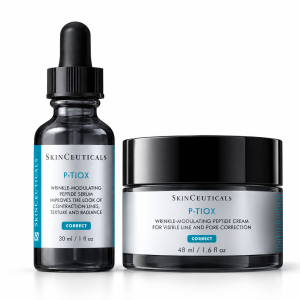
SkinCeuticals Peptide Duo
Earn 2320 MD Points.
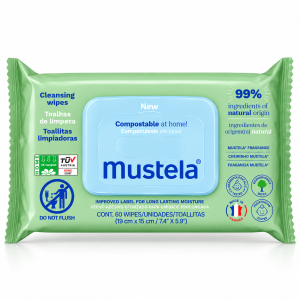
Mustela Cleansing Wipes 60x
Earn 60 MD Points.
Mustela Nourishing Gentle Soap with Cold Cream 100g
Earn 64 MD Points.
Like & Share