

How to Spot Quality Ingredients in Skincare Products

How to Spot Quality Ingredients in Skincare Products

By Precious Chida

Shopping for skincare can feel like navigating a maze. While you are faced with shelved products claiming to “brighten,” “hydrate,” and “rejuvenate,” how do you separate the magic potions from the duds? Fear not! We are here to help you decode the labels and identify quality ingredients like a pro. Why Ingredients Matter The secret to great skin lies in the ingredients. A Skincare product is only as good as what’s inside it. Choosing the right ingredients ensures you’re giving your skin what it truly needs, whether it’s a dose of hydration, acne-fighting power, or anti-aging magic. Top Tips to Identify Quality Ingredients
  1. Read the Ingredient List
The ingredient list is like a cheat sheet. Here’s how to break it down:
    • The Rule of Order: Ingredients are listed in descending order of concentration. The first five ingredients often make up most of the formula. Look for active ingredients (like hyaluronic acid, niacinamide, or retinol) at the top of the list.
  • Avoid Red Flags: If your skin is sensitive, run away from products with too many alcohols, parabens, or synthetic fragrances.
  1. Look for Proven Actives
There are ingredients that are deemed the gold standards in skincare:
  • Vitamin C: Brightens skin and fights free radicals. It’s a powerful antioxidant that protects the skin from environmental stressors like pollution and UV damage. When used consistently, it can also help fade dark spots and improve skin tone.
  • Niacinamide (Vitamin B3): Reduces redness, improves the skin’s barrier, and regulates oil production. This multitasking ingredient is gentle yet effective, making it suitable for almost all skin types.
  • Hyaluronic Acid: This hydration powerhouse that can can hold up to 1,000 times its weight in water is perfect for plumping and smoothing dehydrated or dry skin. 
  • Retinol: A dermatologist-favourite for reducing fine lines and wrinkles, boosting collagen production, and promoting cell turnover. Retinol works wonders for aging skin, but it’s important to introduce it slowly to avoid irritation.
  • Salicylic Acid: Ideal for acne-prone skin, as it penetrates deep into the pores to remove excess oil and debris. Derived from willow bark, this beta-hydroxy acid is a natural exfoliant.
  1. Watch Out for Greenwashing
It sound enticing when we here “Natural” and “organic” right? However this can be misleading. Rather than relying on marketing buzzwords, always check the label to confirm the actual ingredients. For instance, a product labelled “organic” might still contain synthetic fillers or harsh preservatives.
  1. Check the Concentration
Ingredients like vitamin C or niacinamide work produce the best results at specific concentrations. For example, vitamin C is effective at 10-20%, while niacinamide shines at around 2-5%. Anything less may not deliver noticeable results, and anything more could cause irritation.
  1. Look for Stabilizers
Some ingredients, like vitamin C, are unstable and can lose their potency quickly. Look for stabilizers like ferulic acid, which enhances and preserves vitamin C’s effectiveness. Products with airtight, opaque packaging are also a good sign that the formula is well-protected. Ingredients to Avoid While quality ingredients can elevate your skincare game, it’s equally important to know what to avoid. Here are a few culprits to watch out for:
  • Harsh Alcohols: These can strip your skin of its natural oils, leading to dryness and irritation. Look for fatty alcohols like cetyl or stearyl alcohol instead, which are hydrating.
  • Synthetic Fragrances: Always go for fragrance-free products whenever possible. Fragrances can be a major irritant, especially for sensitive skin.
  • Parabens: While research is ongoing, some people prefer to avoid parabens due to potential health concerns. Look for alternatives like phenoxyethanol.
  • Essential Oils: These can sound appealing but may cause irritation or allergic reactions for some individuals. Always test them carefully.
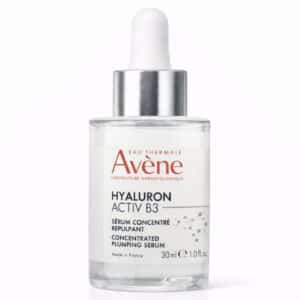
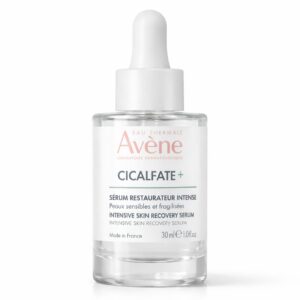
Bonus Tips for Savvy Shoppers Do a Patch Test Before slathering on a new product, patch-test it on a small area of your skin. This helps you avoid any unpleasant reactions and ensures compatibility with your skin type. Consider the Packaging Packaging isn’t just about aesthetics. Ingredients like retinol and vitamin C degrade when exposed to light and air. Choose products in opaque, air-tight packaging to keep them effective. Glass dropper bottles or pump dispensers are often ideal. Go Fragrance-Free When in Doubt Fragrance can be a common irritant, especially for sensitive skin. Opt for fragrance-free products if you’re prone to reactions. Remember, “unscented” isn’t always the same as “fragrance-free,” so check the label. Fun Facts to Keep in Mind
  • Skincare trends come and go, but tried-and-tested true ingredients like retinol and niacinamide have stood the test of time.
  • Some of the most effective ingredients, like salicylic acid, are derived from nature—in this case, willow bark!
  • Your skin’s needs can change with the seasons. For example, you might need more hydrating ingredients like hyaluronic acid in winter and lighter formulas in summer.
Frequently Asked Questions How do I know if a product is right for my skin type? Check the label for indicators like “for dry skin,” “oil-free,” or “non-comedogenic.” Products labeled “non-comedogenic” are less likely to clog pores, making them ideal for acne-prone skin. Can I mix active ingredients? Some ingredients pair beautifully, like niacinamide and hyaluronic acid, which work together to hydrate and soothe. However, others, like retinol and AHAs, can be too harsh when combined. Always research or consult a dermatologist near you before layering actives. Do expensive products work better? Not necessarily! Many affordable products contain high-quality ingredients. The key is understanding the ingredient list. Prioritise what your skin needs over the brand name. Final Thoughts Spotting quality ingredients isn’t rocket science, but it does take a little know-how. By reading labels, understanding active ingredients, and avoiding marketing fluff, you can build a magical skincare routine that works. Remember, knowledge is power—and your skin will be grateful for it! Whether you’re a skincare newbie or a seasoned pro, taking the time to understand what goes into your products can make all the difference. Consider consulting your dermatologist to know the right ingredients for your skin type and/or concerns and to avoid damaging your skin further.

Like & Share