





6 Steps to a Skincare Routine for Eczema-Prone Skin
By Dr Matete Mathobela
If you have eczema, dry, or sensitive skin, you know the struggle is real. Some days your skin feels tight and itchy, and other days it just looks flaky and dull. Worst of all, a product that’s been your go-to forever suddenly irritates your skin. Trust me, your skin isn’t being dramatic, it’s just asking for a little extra care.
Over the years, we have helped countless patients build skincare routines that work for eczema-prone skin. The key? Simple steps, consistent habits, and gentle products that restore and protect the skin barrier. Here’s a guide to a six-step routine you can start today, featuring products we carry in our store from CeraVe, ISDIN, Avène, Bioderma, and La Roche-Posay.
Step 1: Cleanse Without Stripping Your Skin
The first step in any skincare routine is cleansing, but for eczema-prone skin, “deep clean” isn’t always a good idea. Harsh cleansers can strip your skin of its natural oils, leaving it dry, tight, and itchy.
What works best is a gentle, cream-based, fragrance-free cleanser that cleans without disrupting your skin barrier. Always use lukewarm water and pat your skin dry instead of rubbing.
Some options we love:
- CeraVe Hydrating Cleanser – creamy and soothing, packed with ceramides and hyaluronic acid.
- ISDIN Ureadin Wash – hydrates as it cleanses, great for dry or sensitive skin.
- Avène XeraCalm A.D Lipid-Replenishing Cream Cleanser – designed for very dry and eczema-prone skin.
- Bioderma Atoderm Shower Oil – gentle, nourishing, and perfect for sensitive, itchy skin.
- La Roche-Posay Lipikar Syndet AP+ – soap-free and calming for atopic-prone skin.
Step 2: Moisturise Like Your Skin Depends on It (Because It Does!)
Moisturising is the most important step for eczema-prone skin. When your skin barrier is weak, losing moisture is faster than you can blink. The trick? Apply your moisturiser immediately after cleansing while your skin is still slightly damp to lock in hydration.
Consistency is key. Make it a habit morning and night — even when your skin looks okay.
Some of our top picks:
- CeraVe Moisturizing Cream – restores and protects with ceramides and hyaluronic acid.
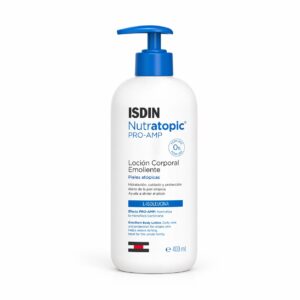
- ISDIN Nutratopic Pro-AMP – especially for eczema patches, soothing and barrier-supporting.
- Avène XeraCalm A.D Lipid-Replenishing Cream – rich and calming for very dry skin.
- Bioderma Atoderm Intensive Baume – intensive hydration and barrier repair for itchy skin.
- La Roche-Posay Lipikar Baume AP+M – deeply nourishing and helps reduce flare-ups.
Tip: Don’t wait until your skin feels dry. Consistent hydration prevents flare-ups and keeps your skin calm.
Step 3: Don’t Forget Sunscreen
Even if you’re mostly indoors, sunscreen is essential. UV exposure can dry your skin, worsen redness, and even trigger eczema flare-ups. The best sunscreens for sensitive skin are lightweight, non-greasy, and fragrance-free.
Our top picks:
- ISDIN Fusion Water SPF 50+ – light, non-sticky, and perfect for sensitive skin.
- Avène Mineral Ultra-Light Hydrating Sunscreen SPF 50 – gentle, calming, and suitable for eczema-prone skin.
- La Roche-Posay Anthelios Mineral SPF 50+ – protective and soothing for sensitive skin.
Pro tip: Apply sunscreen every morning and reapply if you’re outside for long periods.
Step 4: Avoid Ingredients That Stress Your Skin
Eczema-prone skin can’t handle harsh ingredients. Strong acids, synthetic fragrances, alcohol, and even essential oils can irritate and worsen flare-ups.
Stick to fragrance-free, hypoallergenic, gentle formulas. Just because something is “natural” doesn’t mean it’s safe for sensitive skin.
If you like light exfoliation, go for PHAs (polyhydroxy acids), which are gentle enough for eczema-prone skin.
Step 5: Keep Your Routine Simple
Your skin doesn’t need 12 steps. Less is more, especially when it’s prone to irritation. The goal is consistency.
Here’s a realistic routine you can stick to:
Morning:
- Gentle cleanser
- Moisturiser
- Sunscreen
Night:
- Cleanser
- Moisturiser
- Optional: a calming serum (niacinamide or panthenol if your skin tolerates it)
Pro tip: Introduce new products one at a time and do a patch test. Overloading your skin can trigger irritation and flare-ups.
Step 6: Care for Your Skin from the Inside Too
Its not just about the products you apply if you want a healthy skin, it also starts from within.
- Hydrate: Drink enough water throughout the day.
- Eat smart: Include foods rich in omega-3s (salmon, walnuts, flaxseeds) and vitamin E.
- Sleep well: Stress and lack of sleep can make eczema worse.
- Environment matters: Use a humidifier if your home is dry to prevent moisture loss.
Think of it as a team effort, the products you apply and the habits you maintain work together to keep your skin barrier strong and healthy.
When to See a Dermatologist
Sometimes, even the best routine isn’t enough. If your eczema is severe, persistent, or painful, it’s time to consult a dermatologist. Prescription treatments, tailored creams, or targeted therapies can calm flare-ups and prevent future irritation.
Final Thoughts
Taking care of eczema-prone, dry, and sensitive skin doesn’t have to be complicated. The key is gentle products, consistency, and listening to your skin.
Products like CeraVe Moisturizing Cream, CeraVe Hydrating Cleanser, ISDIN Nutratopic Pro-AMP, ISDIN Fusion Water SPF 50+, Avène XeraCalm A.D, Bioderma Atoderm, and La Roche-Posay Lipikar Baume can make a real difference when used regularly.
Your skin isn’t being dramatic, it just wants some extra love and extra care. Give it that, and you’ll see the difference.
Quick Recap
- Clean gently
- Moisturise immediately
- Protect with sunscreen
- Avoid harsh ingredients
- Keep your routine simple
- Care for your skin from the inside

Avène SPF50 Ultra Fluid 50ml
Earn 120 MD Points.

Like & Share