



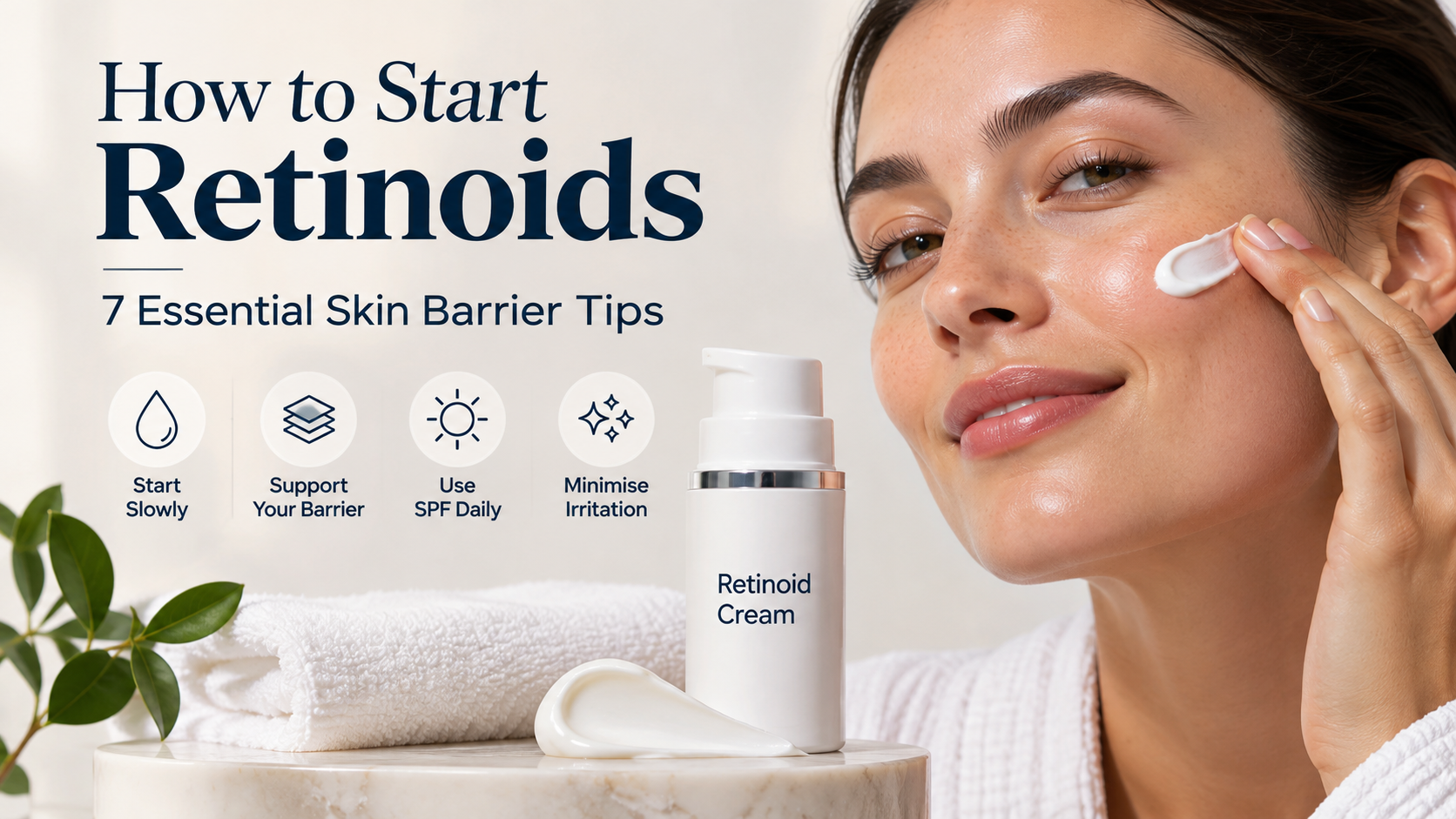
How to start retinoids without unnecessary irritation: Dr Matete Mathobela explains seven practical ways to build a tolerable routine, from choosing an appropriate formulation to moisturising, protecting vulnerable areas and increasing application frequency gradually.
Reviewed by Dr Matete Mathobela – Specialist Dermatologist practising in Century City, Cape Gate Mediclinic and Life West Coast Private Hospital. Founder of MD Cosmeceuticals by Matete Derma and MD DermOutlet. Read more about Dr Matete Mathobela →
Medical Disclaimer: This article is for educational purposes and does not replace personalised medical advice. Prescription retinoids should be used according to your clinician’s instructions. Avoid retinoids during pregnancy and when planning pregnancy. Application techniques may need adjustment for specific products.
In a Nutshell
- Retinoids can improve acne, fine lines, uneven texture and certain pigmentation concerns.
- A gradual introduction can reduce dryness, peeling and retinoid dermatitis.
- Normal skin may start three evenings weekly, while sensitive skin may require twice-weekly use.
- Moisturiser and petrolatum can help protect the skin barrier and vulnerable facial areas.
- Short-contact therapy may be suitable for selected patients who cannot tolerate overnight application.
- Increasing to nightly use may take three to four months, although individual schedules vary.
In This Guide
- 1. Choose the Right Retinoid
- 2. Cleanse, Moisturise and Wait 20 Minutes
- 3. Apply a Pea-Sized Amount and Protect Sensitive Areas
- 4. Start According to Your Skin’s Sensitivity
- 5. Use the Sandwich Method if You Experience Dryness
- 6. Increase Gradually Towards Nightly Use
- 7. Protect Your Skin From Sun Exposure and Excessive Exfoliation
How to Start Retinoids Without Irritating Your Skin
Retinoids are among the most established treatments in dermatology for acne and photoageing.
They include cosmetic retinol and retinal, alongside prescription topical retinoids such as tretinoin and adapalene.
Although effective, these treatments sometimes cause dryness, stinging, peeling and irritation.
Understanding how to start retinoids correctly can help improve treatment tolerance and long-term consistency.
Here are seven practical tips I commonly recommend in clinical practice.
1. Choose the Right Retinoid
Different retinoids have different indications, formulations and clinical evidence.
Prescription retinoids have strong evidence for acne, while cosmetic retinol and retinal are commonly used for fine lines and uneven texture.
The strongest product is not necessarily the best option for every patient.
Patients with active eczema, significant dermatitis or a compromised skin barrier may need to address these conditions before beginning treatment.
Dermatologist Insight: Successful retinoid treatment begins with selecting the right formulation for the patient’s skin concerns and tolerance.
For a comparison, read Retinol vs Retinal vs Tretinoin: Which Is Better for Your Skin? in Suggested Reading below.
For other retinoid-related education, read Bakuchiol vs Retinol and MD Retinoid Cream: How This Advanced Retinoid Works.
2. Cleanse, Moisturise and Wait 20 Minutes
One approach I recommend to reduce irritation is applying moisturiser before the retinoid.
My introductory evening routine is:
- Wash your face with a gentle, non-stripping cleanser.
- Pat the skin dry and apply a suitable moisturiser.
- Wait approximately 20 minutes for the moisturiser to settle and the skin to dry.
- Apply the retinoid in a thin layer.
This can be especially helpful when introducing prescription tretinoin.
The 20-minute interval is a practical approach, rather than a waiting time proven superior in clinical trials.
Follow product-specific instructions where they differ.
3. Apply a Pea-Sized Amount and Protect Sensitive Areas
For many facial leave-on retinoids, approximately one pea-sized amount is sufficient for the entire face.
Apply a thin layer to the intended treatment areas rather than using large amounts on individual spots.
Avoid the eyelids, corners of the mouth and creases around the nostrils unless specifically directed otherwise.
What if These Areas Still Become Irritated?
Some patients develop irritation around their eyes, nose or mouth even when they avoid applying retinoids directly to these areas.
A simple protective barrier may help.
Before applying the retinoid, place a thin layer of white petrolatum, such as Vaseline, over the vulnerable skin around the nostrils, corners of the mouth and near the eyelids.
Avoid getting petrolatum or retinoid into the eyes.
The ointment helps reduce moisture loss and may limit unwanted retinoid contact with these delicate areas.
Dermatologist Insight: An expensive barrier cream is not always necessary. Simple petrolatum may provide useful protection for irritation-prone areas.
If significant irritation persists, the retinoid regimen should be reassessed.
4. Start According to Your Skin’s Sensitivity
A key principle of how to start retinoids is allowing the skin time to adapt.
My usual introductory approach is:
| Skin tolerance | Suggested starting frequency |
|---|---|
| Normal or relatively resilient skin | Three evenings per week |
| Sensitive skin | Two evenings per week |
| Very sensitive skin | Consider clinician-guided short-contact therapy |
| Active eczema or significant dermatitis | Treat the underlying inflammation before starting |
These are practical starting recommendations, not fixed rules for every prescription formulation.
These starting frequencies are illustrative clinical suggestions, not instructions to change a prescription independently. Specific formulations may require different directions.
Short-Contact Therapy for Very Sensitive Skin
Some patients cannot initially tolerate leaving a retinoid on overnight.
For selected topical tretinoin preparations, short-contact therapy may be considered.
This involves applying a thin layer for a limited period, such as approximately 30 minutes, before gently washing it off.
A published study involving 74 patients investigated short-contact tretinoin 0.05% cream for acne and reported encouraging tolerability and clinical improvement.
However, short-contact therapy is not established for every retinoid formulation and should be individually recommended.
5. Use the Sandwich Method if You Experience Dryness
Some patients experience dryness or mild peeling without significant burning or inflammation.
In these cases, the moisturiser sandwich method may improve comfort and allow treatment to continue.
How to Use the Sandwich Method
Step 1: Cleanse your face and apply a suitable moisturiser.
Step 2: Wait approximately 20 minutes before applying your retinoid.
Step 3: Apply a pea-sized amount of retinoid over the intended facial areas, avoiding sensitive regions.
Step 4: Wait approximately 1–5 minutes, allowing the retinoid formulation to settle.
Step 5: Apply a second thin layer of moisturiser.
Moisturiser → Wait 20 minutes → Retinoid → Wait 1–5 minutes → Moisturiser
There is no established evidence-based waiting interval showing that a longer delay after applying a retinoid improves effectiveness. The 1–5-minute interval is a practical guide for formulations that permit moisturiser layering.
Some prescription retinoid formulations have specific instructions regarding other skincare products, which should take precedence.
Which Moisturisers Work Well?
Choose a well-tolerated moisturiser suitable for your skin type.
Useful ingredients may include ceramides, glycerin, hyaluronic acid, dimethicone and petrolatum.
Dermatologist Insight: The sandwich method is particularly useful for mild dryness. Persistent burning, painful redness or significant dermatitis requires treatment reassessment rather than simply adding more moisturiser.
6. Increase Gradually Towards Nightly Use
Once your skin tolerates the initial schedule comfortably, gradually increase the frequency.
For some patients, progression may look like this:
| Treatment stage | Illustrative application frequency |
|---|---|
| Initial introduction | Two or three evenings weekly |
| Early adaptation | Alternate evenings |
| Improving tolerance | Four to six evenings weekly |
| Established tolerance | Nightly, if appropriate |
Patients may take approximately three to four months to build up to nightly use.
Some will tolerate more frequent application sooner, while others may benefit from maintaining a reduced frequency.
This is an illustrative approach, not a compulsory or universally validated schedule.
For someone with very reactive skin, maintaining a lower frequency may be more appropriate than forcing daily use. See Why Healthy Skin Starts with Your Skin Barrier.
Nightly application is not essential for everyone.
For persistent acne, the regimen should also be reviewed according to clinical response rather than tolerability alone.
7. Protect Your Skin From Sun Exposure and Excessive Exfoliation
Daily sun protection remains important when using retinoids.
Although topical retinoids do not necessarily cause true UV phototoxicity, treatment-related dryness and irritation may make skin feel more sensitive.
Sun exposure can also worsen hyperpigmentation and undermine treatment results.
Use broad-spectrum sunscreen, preferably SPF 50+, every morning, and reapply during prolonged outdoor exposure.
Patients with melasma may benefit from tinted sunscreens containing iron oxides for additional visible-light protection.
Avoid introducing multiple potentially irritating products simultaneously, including exfoliating acids, harsh scrubs and additional retinoids.
For those prone to post-inflammatory dark marks, inflammation can make pigmentation more persistent. Read Pigmentation in Skin of Colour and our guide to combining Benzac with retinoids before adding more acne actives.
When Should You Temporarily Stop or Reduce Treatment?
Mild dryness may be managed with moisturising and frequency adjustments.
However, persistent burning, significant redness, swelling, cracking or severe peeling suggests poor tolerance.
Temporarily stop an irritating cosmetic retinoid and seek professional advice when necessary. Patients using prescription medicines should consult their treating clinician about adjustments.
Retinoid irritation is not proof that the treatment is working better.
Interested in Introducing a Retinoid Into Your Skincare Routine?
MD DermOutlet offers dermatologist-curated skincare, including retinoid-containing formulations, moisturisers, gentle cleansers and sunscreens.
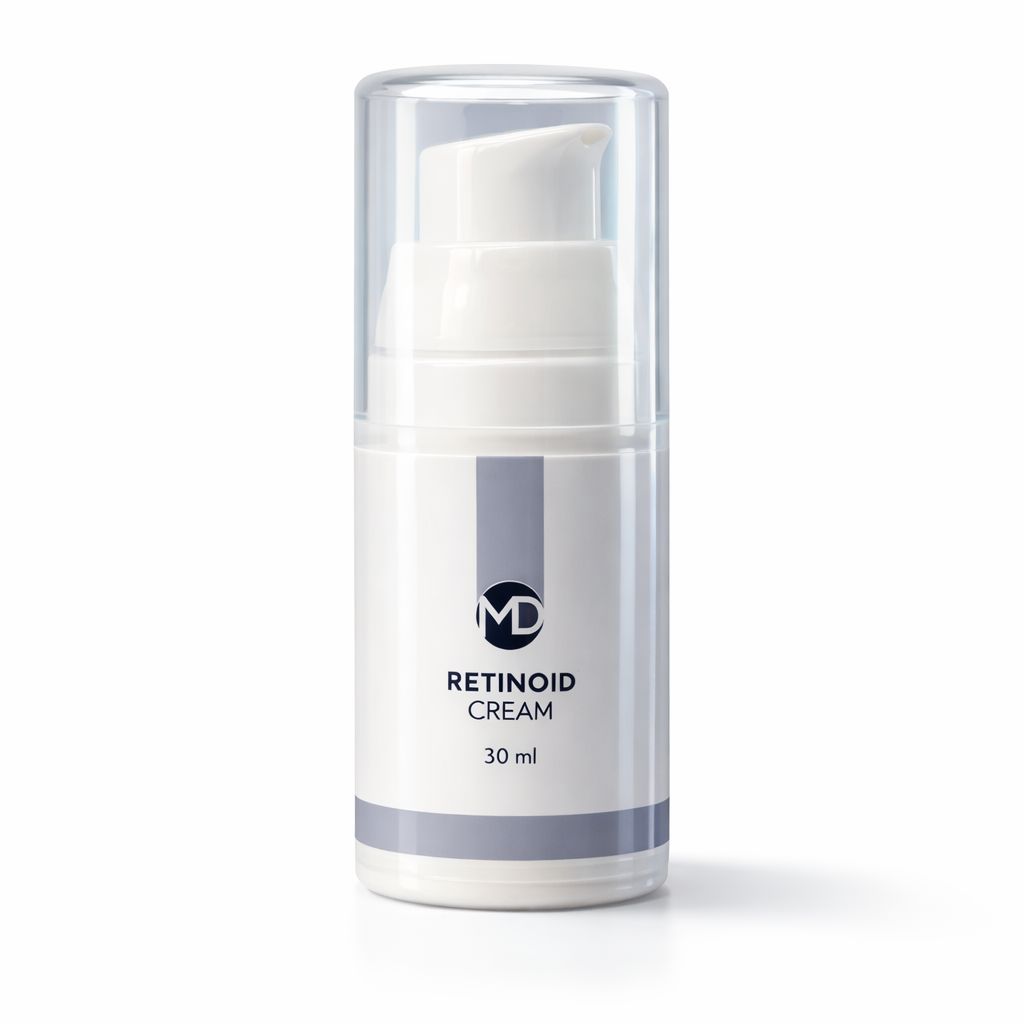
MD Cosmeceuticals Retinoid Cream by Matete Derma contains hydroxypinacolone retinoate (HPR), a cosmetic retinoid that differs from conventional retinol. Explore the MD Retinoid Cream listing →
Learn more about the formulation: MD Retinoid Cream: How This Advanced Retinoid Works →
Patients with persistent acne or more complex dermatological conditions may require prescription treatment following clinical assessment.
Cosmetic retinoids are not substitutes for prescription treatment when medical therapy is indicated.
Products to Build a Retinoid-Friendly Routine
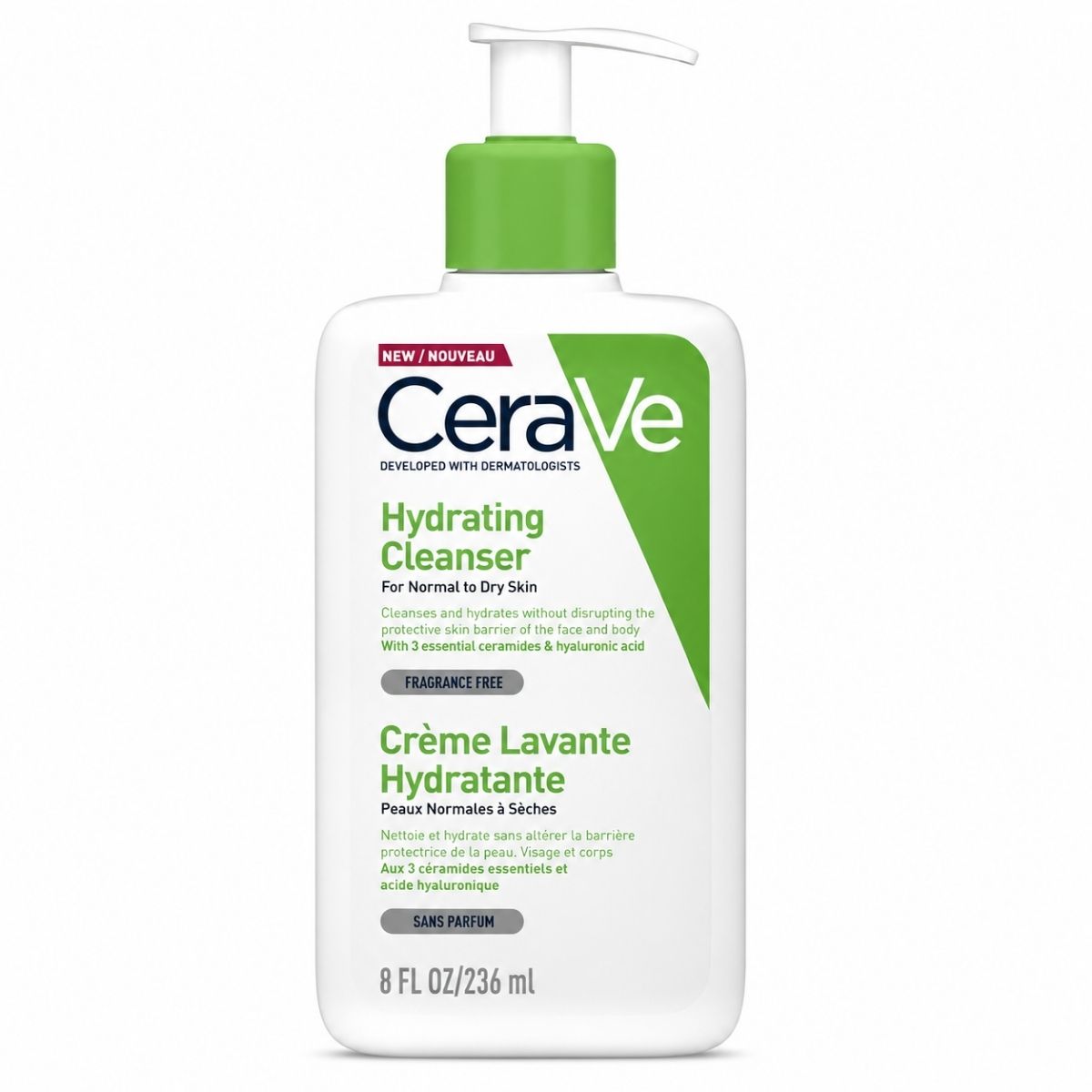
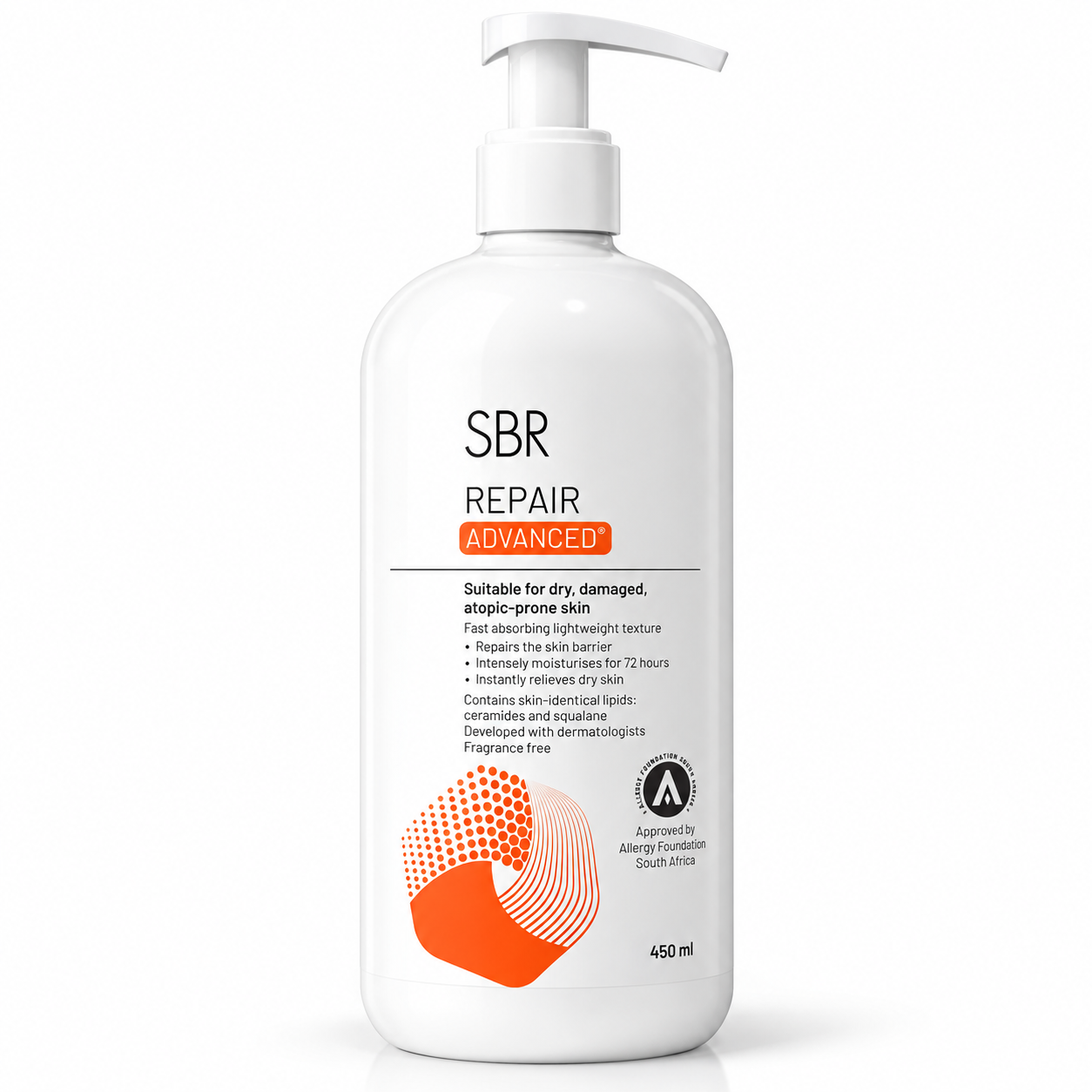
These genuine MD DermOutlet product examples correspond to cleansing, moisturising, retinoid care and sun protection. They are not a prescription to use every product or to combine formulations. Choose according to diagnosis, skin type and treatment tolerance.

Where to Buy Dermatologist-Recommended Skincare →
Need a personalised approach for persistent acne, pigmentation or retinoid dermatitis? Read about dermatologist consultations →
Frequently Asked Questions
How Often Should I Start Using Tretinoin?
For selected patients, starting two or three evenings per week may improve tolerability. The correct frequency depends on the prescription and individual skin response.
Should Moisturiser Be Applied Before or After Tretinoin?
Both can be appropriate. Applying moisturiser before the retinoid may reduce irritation, and an additional layer afterwards may help patients experiencing dryness.
How Long Should I Wait Before Applying the Second Layer of Moisturiser?
For formulations where the sandwich method is appropriate, approximately 1–5 minutes after retinoid application is a reasonable practical interval.
There is no universally established waiting time. Always follow formulation-specific instructions.
Can I Use Vaseline Around My Eyes and Mouth Before Tretinoin?
Yes. A small amount of petrolatum applied to vulnerable areas before using the retinoid may help protect against irritation. Avoid applying the retinoid to the eyelids or getting either product into the eyes.
Why Do I Experience Irritation Around My Nose and Mouth Even When I Avoid Those Areas?
These areas are sensitive and may experience unintended product contact. Barrier ointment may help, but persistent irritation requires assessment.
What Is Short-Contact Tretinoin Therapy?
It involves applying a suitable tretinoin preparation for a limited time, sometimes around 30 minutes, before rinsing. It should be recommended by a clinician familiar with the specific formulation.
How Long Does It Take to Use Retinoids Every Night?
Some patients adapt within weeks, while others require three to four months or longer. Nightly use is not necessary for every patient.
Can Retinoids Damage the Skin Barrier?
Excessive retinoid-induced irritation can temporarily disrupt the skin barrier. Gradual introduction and appropriate moisturising may help reduce this risk.
Can Patients With Sensitive Skin Use Prescription Retinoids?
Yes, selected patients may tolerate them with suitable formulation selection, reduced starting frequency, moisturising or clinician-guided short-contact therapy.
Final Thoughts
Learning how to start retinoids correctly can improve long-term treatment success.
A gradual introduction, appropriate moisturising, careful application technique and sun protection can make a meaningful difference.
Protect vulnerable facial areas with a simple barrier ointment when necessary, and consider the sandwich method for patients experiencing mild dryness.
For some patients, progression to nightly use takes three to four months.
The goal is consistent clinical improvement without unnecessary irritation—not dramatic peeling.
Suggested Reading
- MD Retinoid Cream: How This Advanced Retinoid Works
- Bakuchiol vs Retinol: Is the Natural Alternative as Effective?
- Can You Use Benzac With Retinoids?
- Why Healthy Skin Starts with Your Skin Barrier
- Pigmentation in Skin of Colour: Why Dark Marks Last Longer
- Anti-Aging Skincare Routine: 7 Essential Tips
Scientific References
- Veraldi S, Barbareschi M, Benardon S, Schianchi R. Short contact therapy of acne with tretinoin. Journal of Dermatological Treatment. 2013;24(5):374–376. Read source →
- American Academy of Dermatology. Acne: Diagnosis and Treatment — Dermatologists’ Tips for Using a Retinoid. Read source →
- American Academy of Dermatology. Moisturizer: Why You May Need It if You Have Acne. Read source →
- American Academy of Dermatology. Retinoid or Retinol? Read source →
- Mukherjee S, Date A, Patravale V, et al. Retinoids in the Treatment of Skin Aging: An Overview of Clinical Efficacy and Safety. Clinical Interventions in Aging. 2006;1(4):327–348. Read source →