




How to treat teenage acne is a question many young people and parents face when blackheads, whiteheads and inflamed pimples appear during puberty. Although acne is common, it should not simply be ignored: early, appropriate care can help limit new breakouts, lingering dark marks and permanent scarring.
Reviewed by Dr Matete Mathobela – Specialist Dermatologist. Read Dr Matete Mathobela’s profile →
Medical disclaimer: This article is for general education, not a diagnosis or individual prescription. Acne treatment depends on age, severity, medical history and skin sensitivity. Seek professional guidance for younger children, painful or scarring acne, pregnancy or a severe product reaction.
In a Nutshell
- Keep the daily routine simple: gentle cleanser, suitable treatment, moisturiser and sunscreen.
- Benzac AC 5 Gel contains 5% benzoyl peroxide and may help selected mild to moderate inflammatory acne.
- Introduce treatment gradually to reduce dryness, peeling and stinging.
- Expect gradual changes over several weeks; review the treatment plan if acne is not responding.
- Seek early care for painful nodules, scarring, marked pigmentation or significant emotional distress.
In This Guide
- Why teenagers develop acne
- A simple daily routine
- Where Benzac AC 5 Gel fits
- Five tips for using Benzac
- When to expect results
- Products to support the routine
- When to seek help
- Frequently asked questions
Why Do Teenagers Get Acne?
Understanding how to treat teenage acne starts with recognising that different spots reflect different processes in the skin. A targeted routine is more effective than treating every blemish as if it needs the same product.
During puberty, hormonal changes stimulate oil production. When excess sebum and dead skin cells obstruct follicles, Cutibacterium acnes and inflammation contribute to blackheads, whiteheads and inflamed pimples. Genetics can affect both acne severity and scarring risk.
Acne is not a sign of poor hygiene. Scrubbing hard or washing repeatedly can make the skin sore without addressing the underlying causes. Stress can worsen existing acne, and high-glycaemic diets or skim milk may be associated with breakouts in some individuals, but diet is rarely the only factor.
How to treat teenage acne depends partly on what type of lesions are present. Mostly blackheads and whiteheads may need a different approach from inflamed bumps or deeper painful nodules. For skin of colour, stopping new inflammation also helps reduce the risk of post-inflammatory pigmentation. See our article on dark marks in skin of colour.
How to Treat Teenage Acne With a Simple Skincare Routine
A practical routine is easier to follow than a complicated collection of serums and scrubs.
Morning
- Wash gently with a suitable cleanser and pat the skin dry.
- Apply a non-comedogenic moisturiser if needed. Oily skin may still need moisture.
- Finish with broad-spectrum SPF30 or higher sunscreen. Reapply as indicated during outdoor activity.
Evening
- Cleanse gently without abrasive brushes or harsh toners.
- Use the acne treatment recommended for your age, skin sensitivity and type of acne.
- Moisturise to help the skin tolerate treatment.
For most teenagers, how to treat teenage acne successfully is about using the right products consistently, not the greatest number of products. If a clinician has prescribed a combination or retinoid regimen, follow that plan rather than adding actives independently.
Further reading: Best Skincare Routine for Teens and Tweens and Dermatologist-Recommended Acne-Prone Skin Routine.
Is Benzac AC 5 Gel Right for a Teenager?
Important South African age-suitability warning: The registered South African patient information leaflet for Benzac AC 5 Gel states: “Do not use BENZAC AC 5 GEL in children.” It does not specify an age threshold in that statement. Because teenagers may be minors, parents and younger patients should not start Benzac AC 5 Gel without a doctor or pharmacist confirming that it is appropriate for the individual. General international acne guidelines do not override the specific South African product leaflet. Read the official SAHPRA-hosted patient leaflet →
Benzac AC 5 Gel contains 5% benzoyl peroxide. This is an established acne treatment that reduces C. acnes and can help inflamed pimples. It has a useful role in acne care because it does not promote bacterial antibiotic resistance in the same way that topical antibiotic monotherapy can.
However, 5% is not necessarily the ideal starting concentration for every teenager. Dryness, redness, stinging and peeling are influenced by concentration, formulation and the individual’s skin. Someone with very sensitive skin may need a different strength or treatment.
For patients whom a qualified clinician has assessed and confirmed may use it, benzoyl peroxide may help selected mild to moderate inflammatory acne. However, it is not a complete treatment for every acne pattern. Persistent deep bumps, painful nodules or early scars warrant assessment instead of relying on over-the-counter products alone.
Follow the current South African Benzac manufacturer instructions and your pharmacist’s or clinician’s advice. Do not assume that using more gel produces faster clearance.
Five Essential Tips for Using Benzac AC 5 Gel
These application tips are for patients whose healthcare professional has confirmed that this particular product is appropriate. They are not instructions for children to start treatment independently.
1. Start slowly
For sensitive skin, a pharmacist or dermatologist may recommend beginning every other evening and increasing frequency only if tolerated. Guidelines also describe alternate-day or shorter-contact introduction for irritating acne treatments. Do not treat a younger child without medical advice.
2. Apply a thin layer
After gentle cleansing and drying, apply a thin layer to affected areas as directed. Avoid the eyes, lips, corners of the nose, broken skin and mucous membranes. Treatment may be applied beyond individual visible pimples where appropriate, but the amount and area should follow the label or prescription.
3. Support the skin barrier
Use a simple moisturiser. If significant dryness or stinging develops, reduce the frequency and ask for advice. Avoid combining Benzac with several exfoliating acids or strong actives without guidance.
4. Protect skin and clothing
Use sun protection as advised and avoid unnecessary UV exposure. Benzoyl peroxide can bleach clothing, towels, pillowcases and hair. Wash your hands after using the gel and allow it to dry before contact with fabric.
5. Recognise warning signs
Stop using the product and seek professional guidance if you develop marked swelling, blistering, pronounced itching or a severe rash. These symptoms should not be dismissed as normal adjustment.
See How to Use Benzac AC 5 Gel for Acne and Benzac AC 5 Gel on Sensitive Skin for more detail.
When Should Teenage Acne Improve?
For those asking how to treat teenage acne quickly, the important distinction is between managing new breakouts and fading marks left behind. A skincare routine may be beneficial before every old mark has faded.
Treatment takes time. During the first fortnight, some dryness or mild peeling may occur; this is not evidence that acne is clearing faster. Many patients begin noticing fewer inflammatory pimples over the following weeks. A structured review at about 8–12 weeks helps determine whether the treatment is working.
If the acne is worsening, leaving scars or causing substantial emotional distress, seek help sooner. How to treat teenage acne effectively often involves adjusting a routine before long-term damage occurs.
Benzoyl peroxide can help active acne, but it does not remove established depressed scars or reliably clear existing dark marks. For pigmentation, preventing new breakouts and using suitable photoprotection remain important.
Products for a Simple Teenage Acne Routine
MD DermOutlet stocks these products for the cleanser–moisturiser–sunscreen steps described above. They are examples, not instructions to use every product together. The Benzac gel linked earlier is an acne treatment and may not be suitable for every teenager.
Cleanse gently
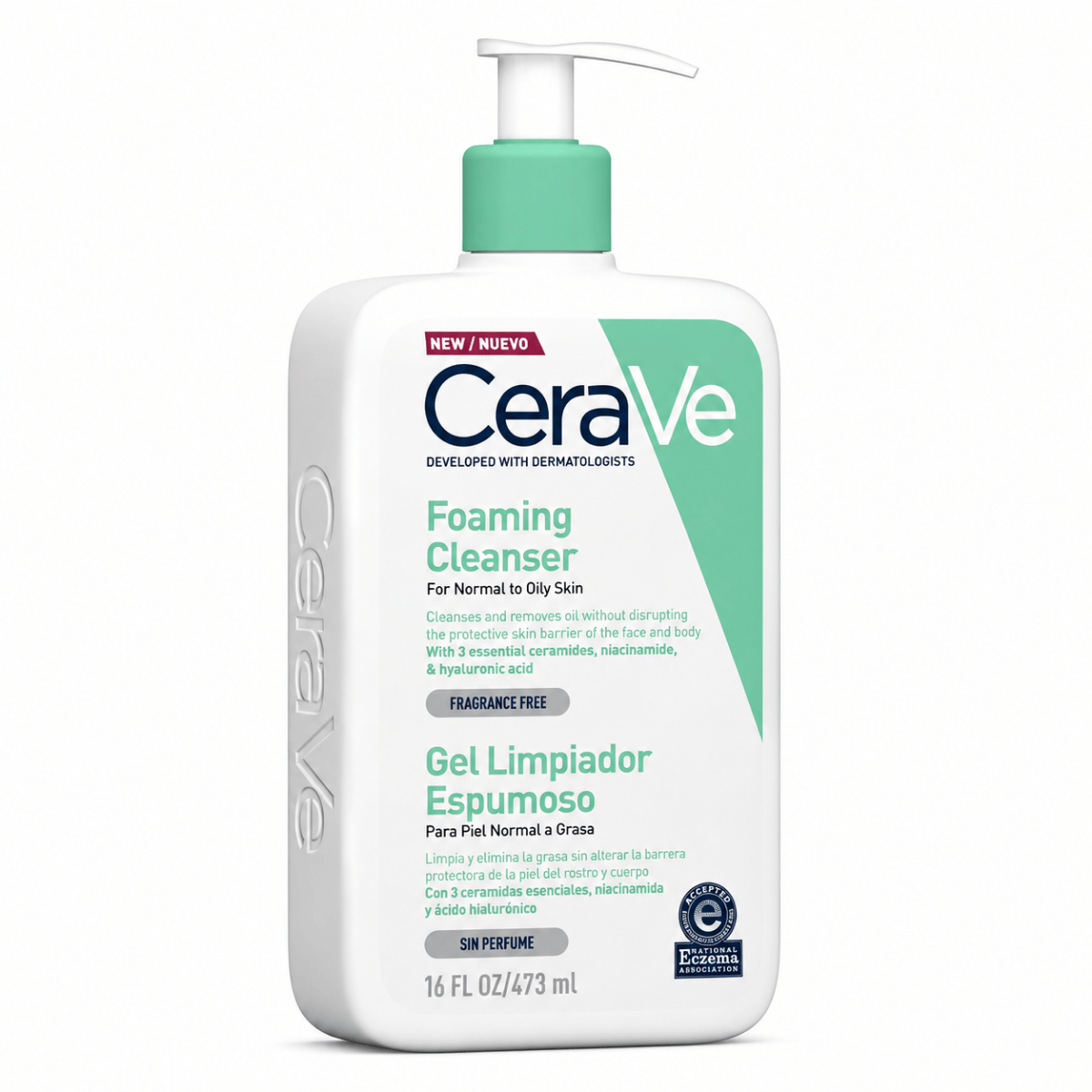
Moisturise without a heavy feel

Protect your skin from the sun
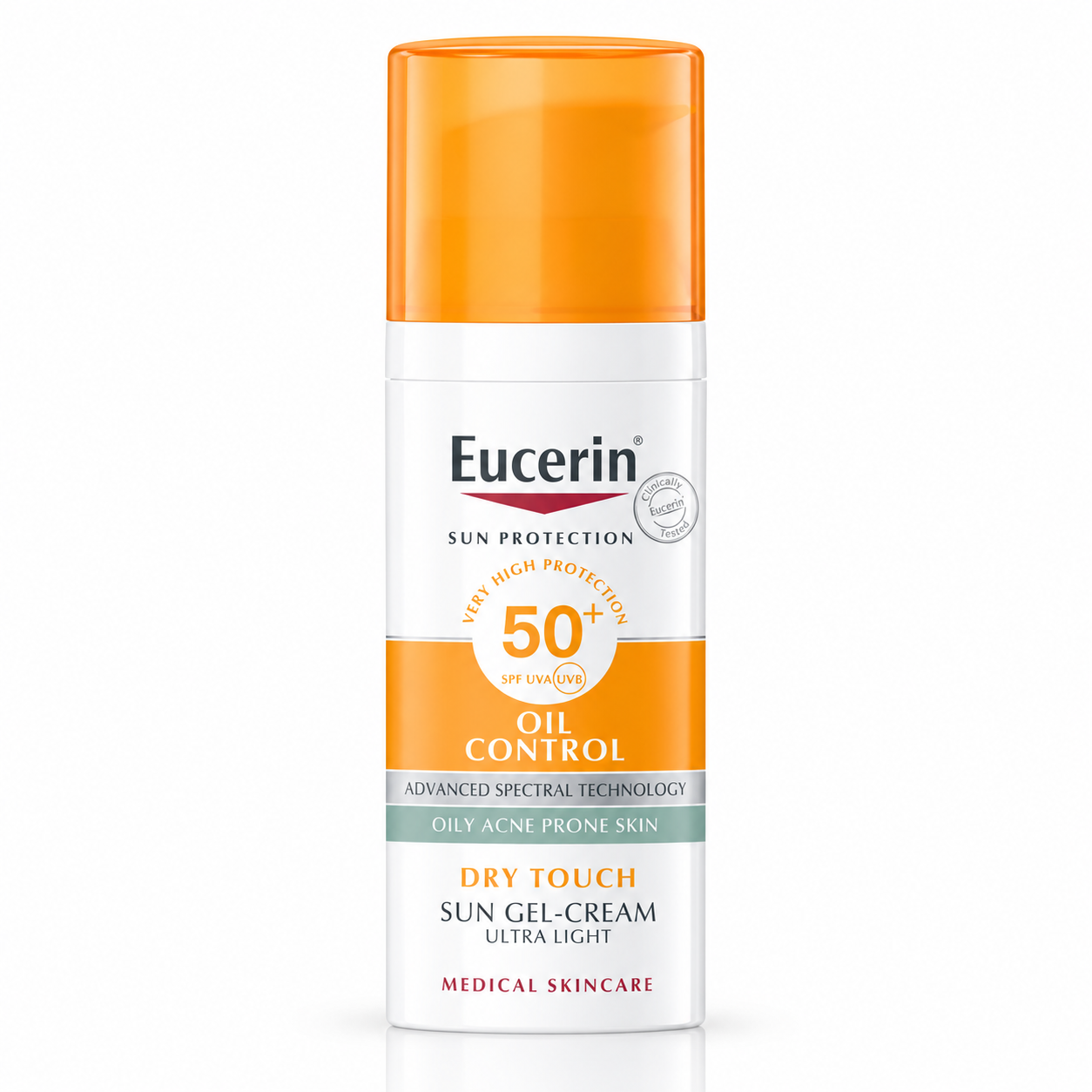
For advice on choosing sun protection, read Sunscreen for Oily, Acne-Prone Skin. You can also explore Where to Buy Dermatologist-Recommended Skincare.
When Should a Teenager See a Dermatologist?
Knowing how to treat teenage acne also means recognising when self-care is no longer enough, especially if scarring or emotional distress has begun.
Do not delay professional assessment for acne that is painful, nodular, widespread, leaving pitted scars or causing significant embarrassment or distress. Also seek advice if a consistent and appropriate treatment has not helped after a reasonable trial, usually reviewed at around 12 weeks.
Additional medical options may include topical retinoids, appropriate combination treatment, selected oral medicines or specialist-supervised isotretinoin for severe or scarring acne. Topical or oral antibiotics should not be used alone for acne because of antibiotic-resistance concerns.
Dermatologist’s Perspective: When discussing how to treat teenage acne, I focus on reducing inflammation, improving treatment tolerance and preventing permanent scars and dark marks. The best treatment is one suited to the patient’s needs and followed consistently.
Learn more about a dermatology consultation with Dr Matete Mathobela →
Frequently Asked Questions About Teenage Acne
How to treat teenage acne if the skin is very sensitive?
Start with a gentle routine and ask a clinician to select the most tolerable active treatment. Avoid introducing several exfoliating or acne medications simultaneously. If a gel is causing significant irritation, do not simply apply more moisturiser and continue without reassessment.
How to treat teenage acne on the chest or back?
Acne can affect these areas too. Treatment may differ because the skin area is larger and may be difficult to reach. Deep, painful or widespread lesions need professional assessment; do not automatically apply a facial medication across large body areas.
What is the best way to treat teenage acne?
Use a simple routine and an evidence-based treatment suited to acne severity, age and skin sensitivity. Seek early care for scars or deep painful lesions.
Is Benzac AC 5 Gel good for teenage acne?
The South African Benzac AC 5 Gel patient leaflet specifically warns against use in children, without stating an age cutoff in that section. Teenagers and parents should check suitability with a doctor or pharmacist rather than starting the gel independently. Other acne treatments may be more appropriate.
Does Benzac cause purging?
Early irritation or worsening breakouts should not automatically be called purging. Read Does Benzac Cause Purging?.
Can Benzac be combined with a retinoid?
Some treatment plans combine these ingredients, but specific products and timing matter. See Can You Use Benzac With Retinoids?.
Will Benzac remove dark marks?
Its main role is treating active acne. Existing pigmentation may require a separate plan. Read Does Benzac Remove Dark Spots?.
Can acne leave permanent scars?
Yes, particularly inflammatory or deep acne. Early treatment and avoiding picking help reduce scarring risk.
Related Articles
- The Best Skincare Routine for Teenagers
- Benzac Wash vs Benzac AC 5 Gel
- Benzac Power Pimple Patches: Do They Work?
References
- Galderma South Africa. Official South African patient information leaflet for Benzac AC 5 Gel (2022 revision), including paediatric warning.
- Galderma South Africa. Benzac AC 5 Gel: manufacturer directions.
- NICE. Acne vulgaris: management (NG198), updated 2026.
- Reynolds RV et al. Guidelines of care for the management of acne vulgaris. J Am Acad Dermatol. 2024.
- American Academy of Dermatology. Acne clinical guideline.